
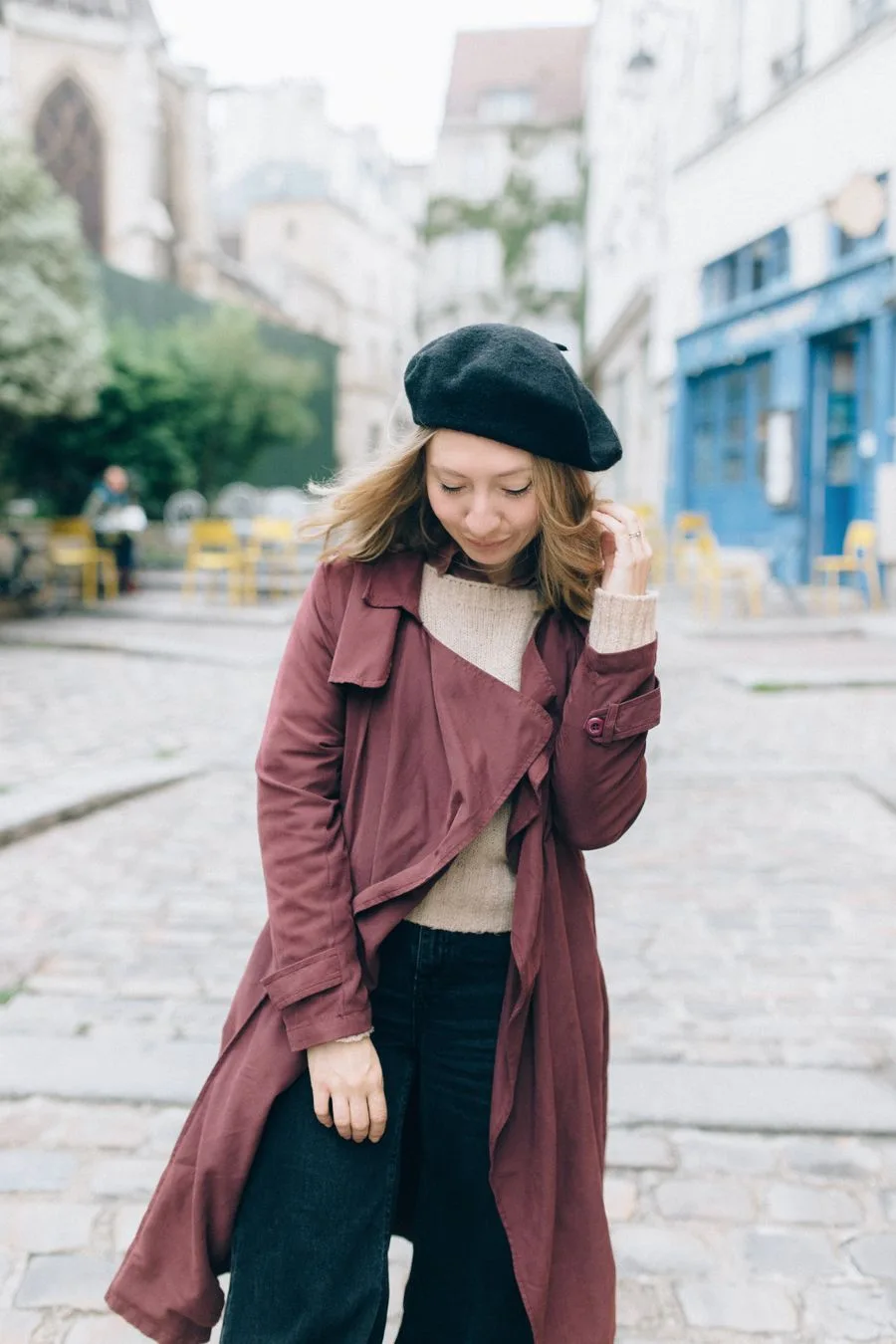
How Much Burgundy Is Enough?
Three ways to use a deep red, from a flash of color at the ankle to an entire coat.
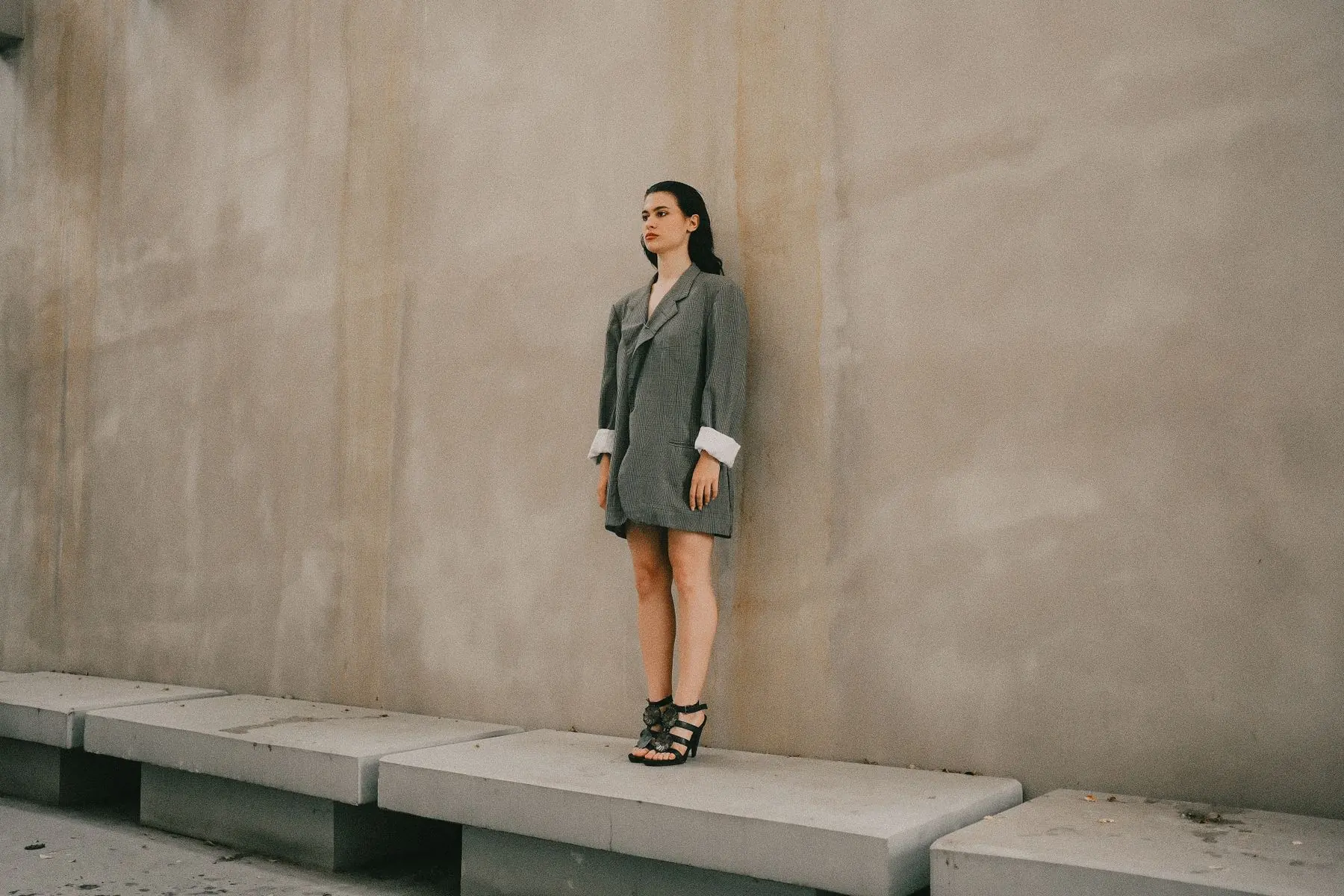
Build a warm outfit around one clear silhouette, then give every layer a reason to be there.
Read the storyThree ways to use a deep red, from a flash of color at the ankle to an entire coat.
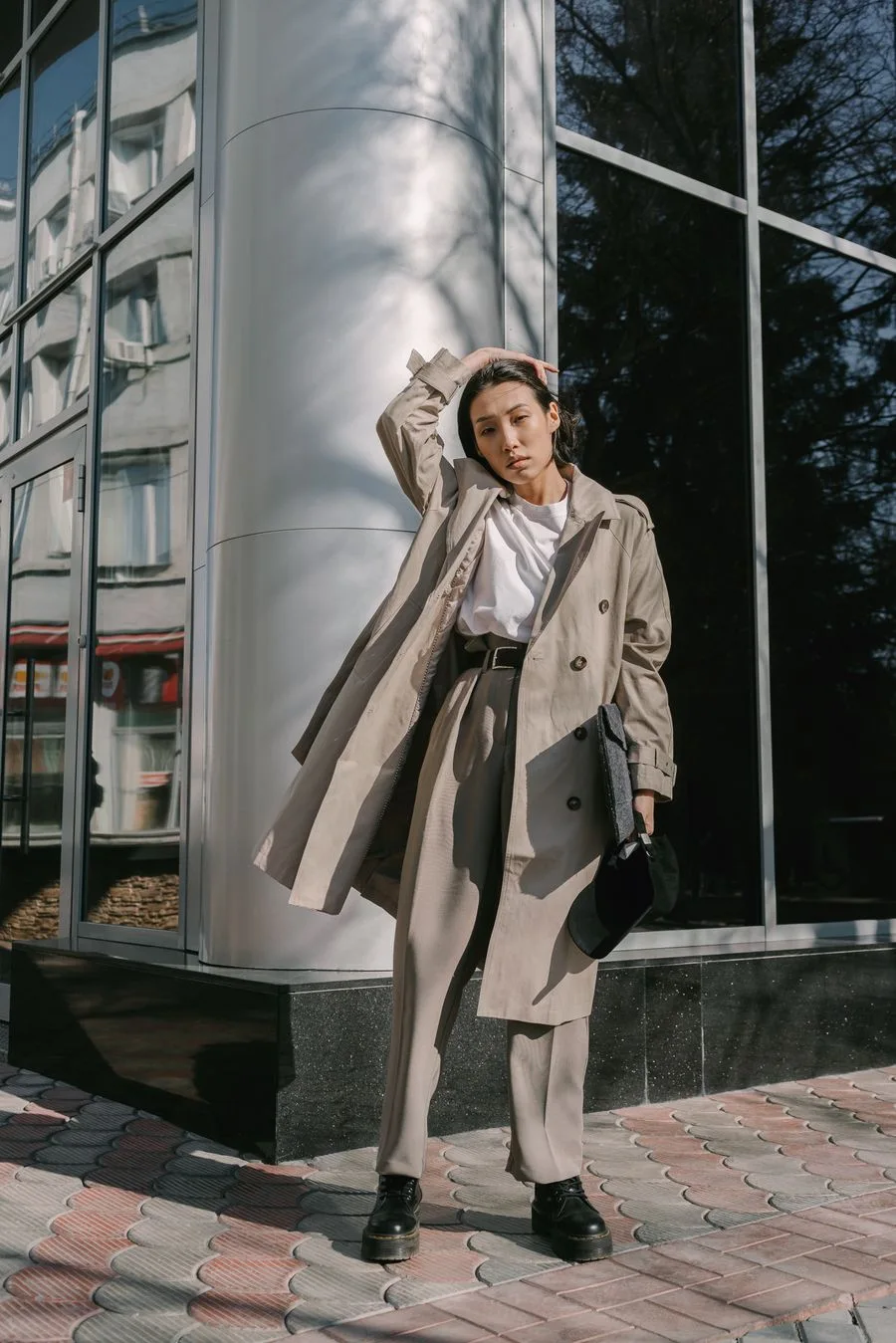
See how an open front, an offset knot, and a change of shoes alter the same coat.
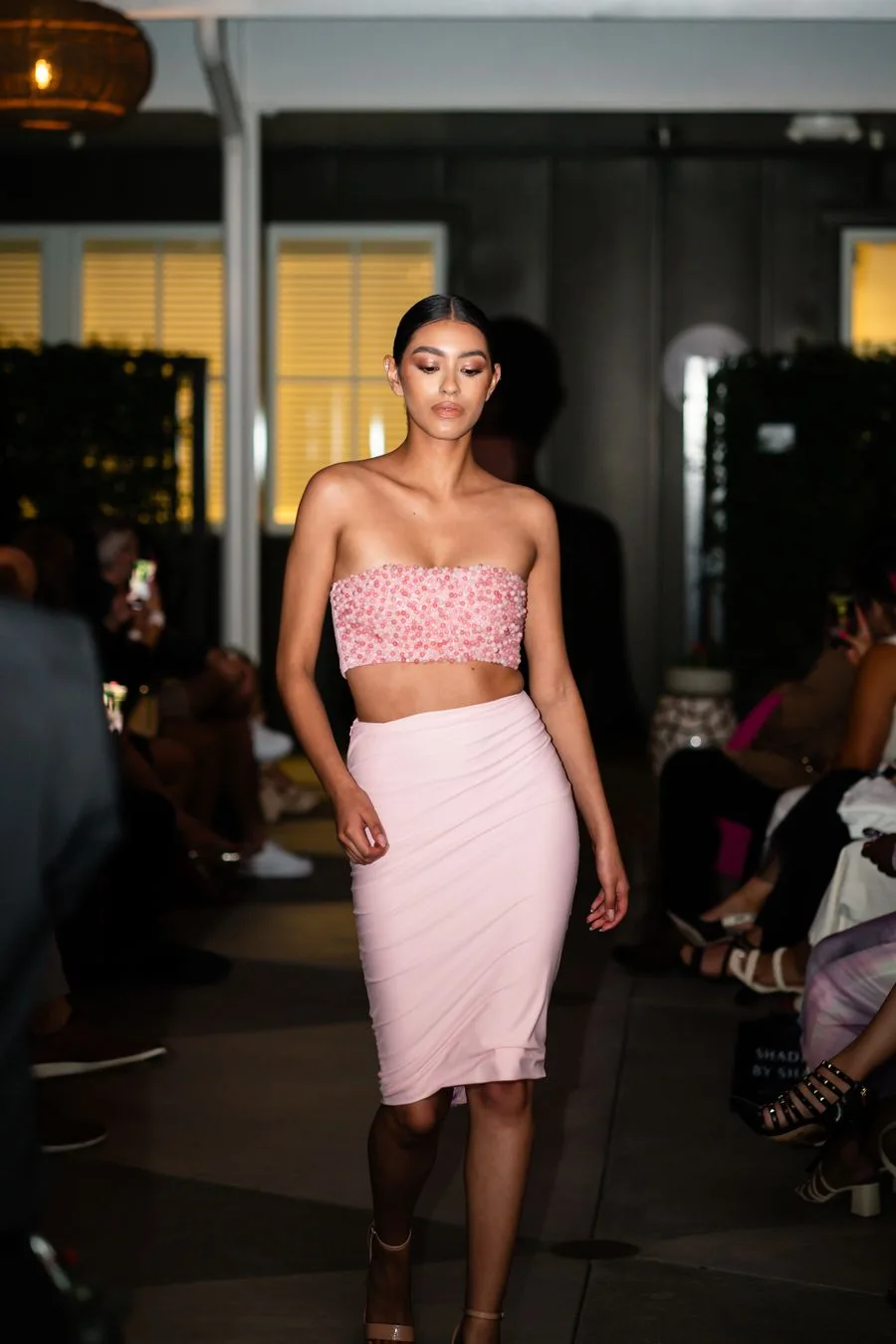
Follow the opening looks, recurring details, and closing silhouettes to see how a collection develops.
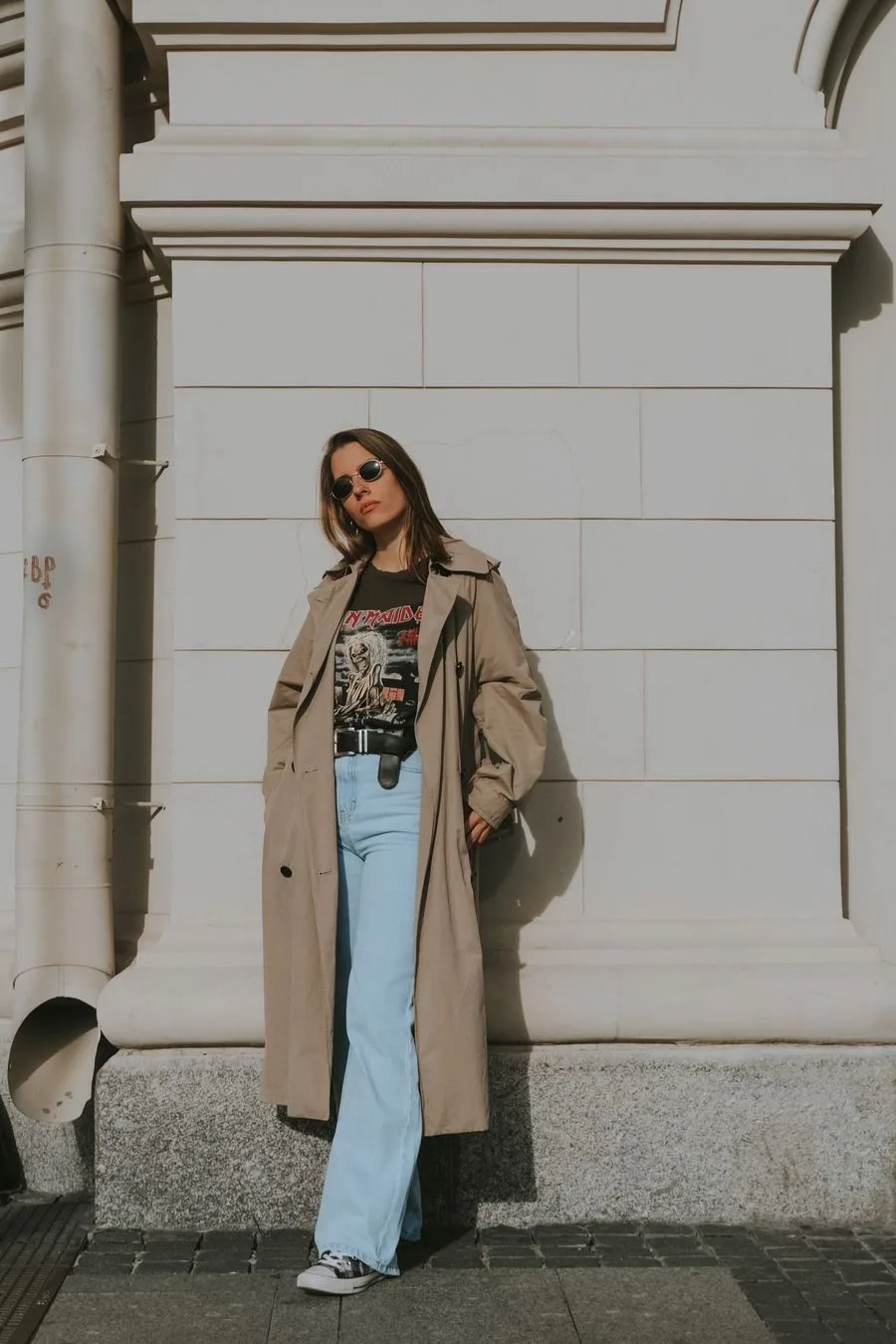
Start with a single color family and use light, depth, and texture to distinguish the layers.
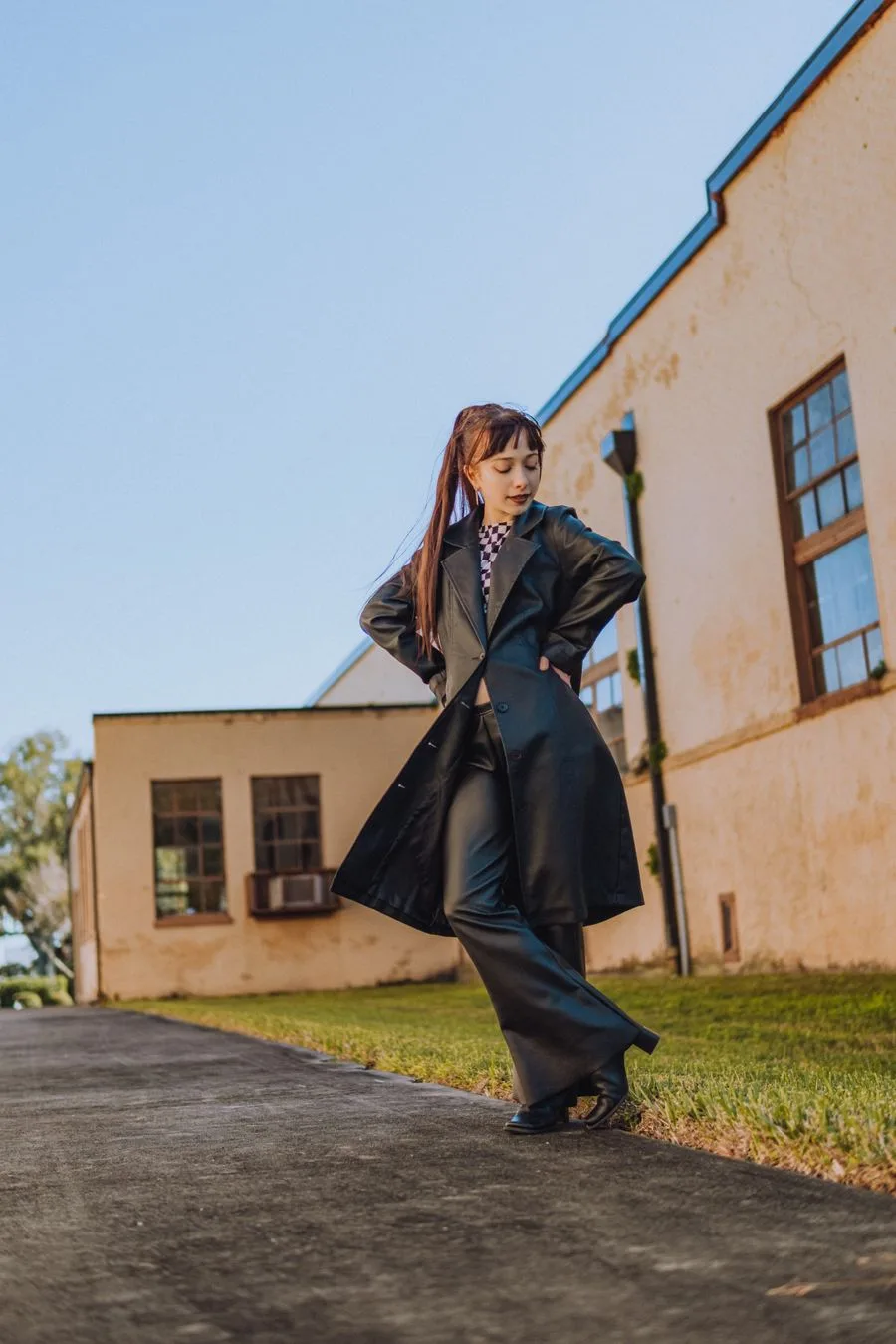
Keep the ease of a loose suit and give it structure at the waist, collar, and shoe.
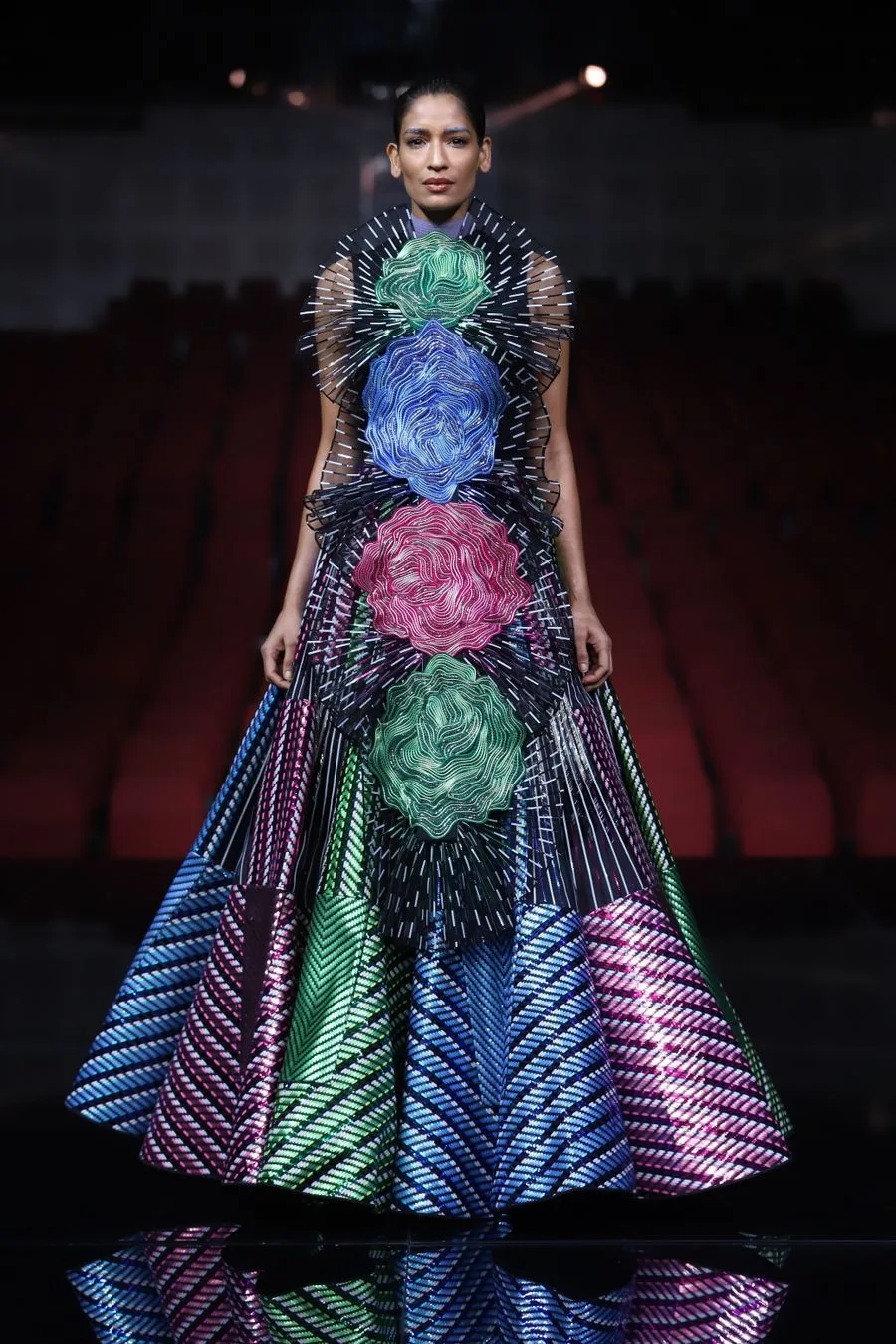
Follow the order of colors and see how individual shades change when they reappear.
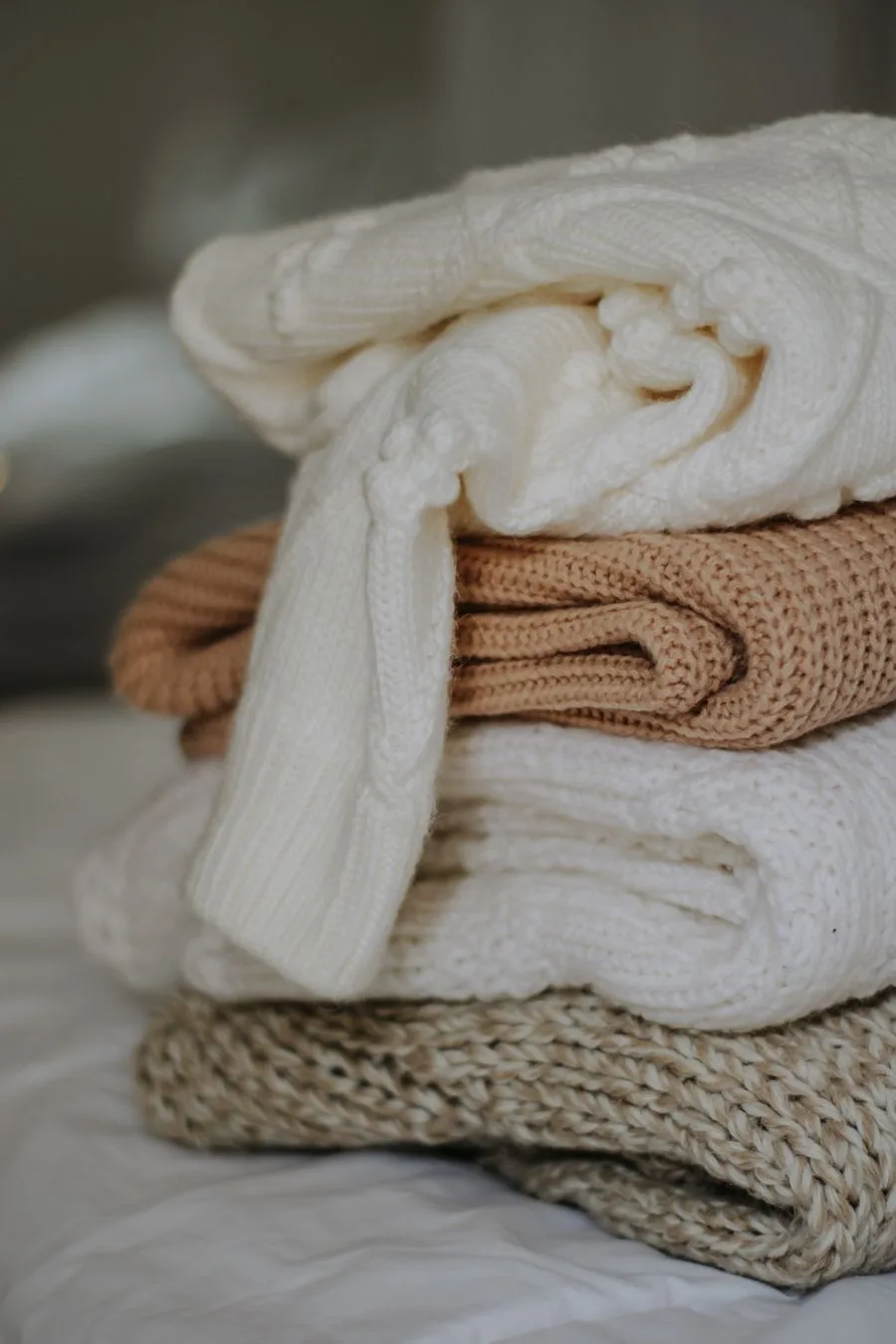
Keep heavy knits supported, folds loose, and frequently worn sweaters within reach.

Try a close neck knot, a soft head wrap, or a folded strip on a bag handle.
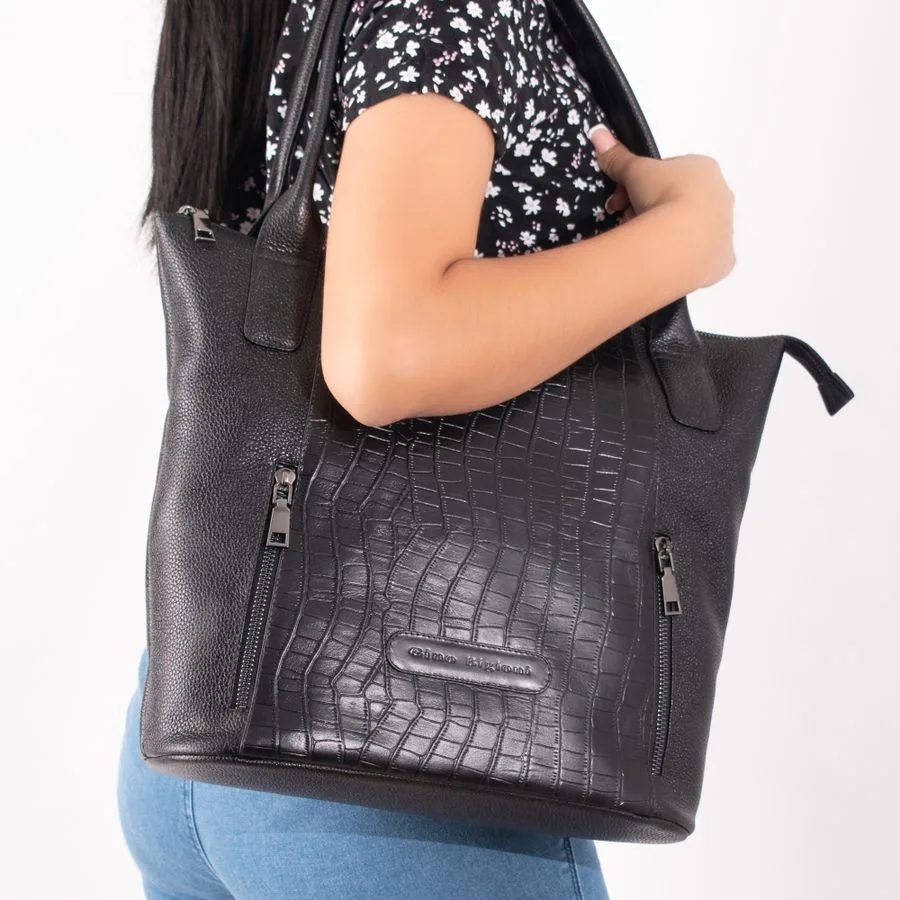
Size a work bag for what you carry and check how it feels once everything is inside.
Build a warm outfit around one clear silhouette, then give every layer a reason to be there.
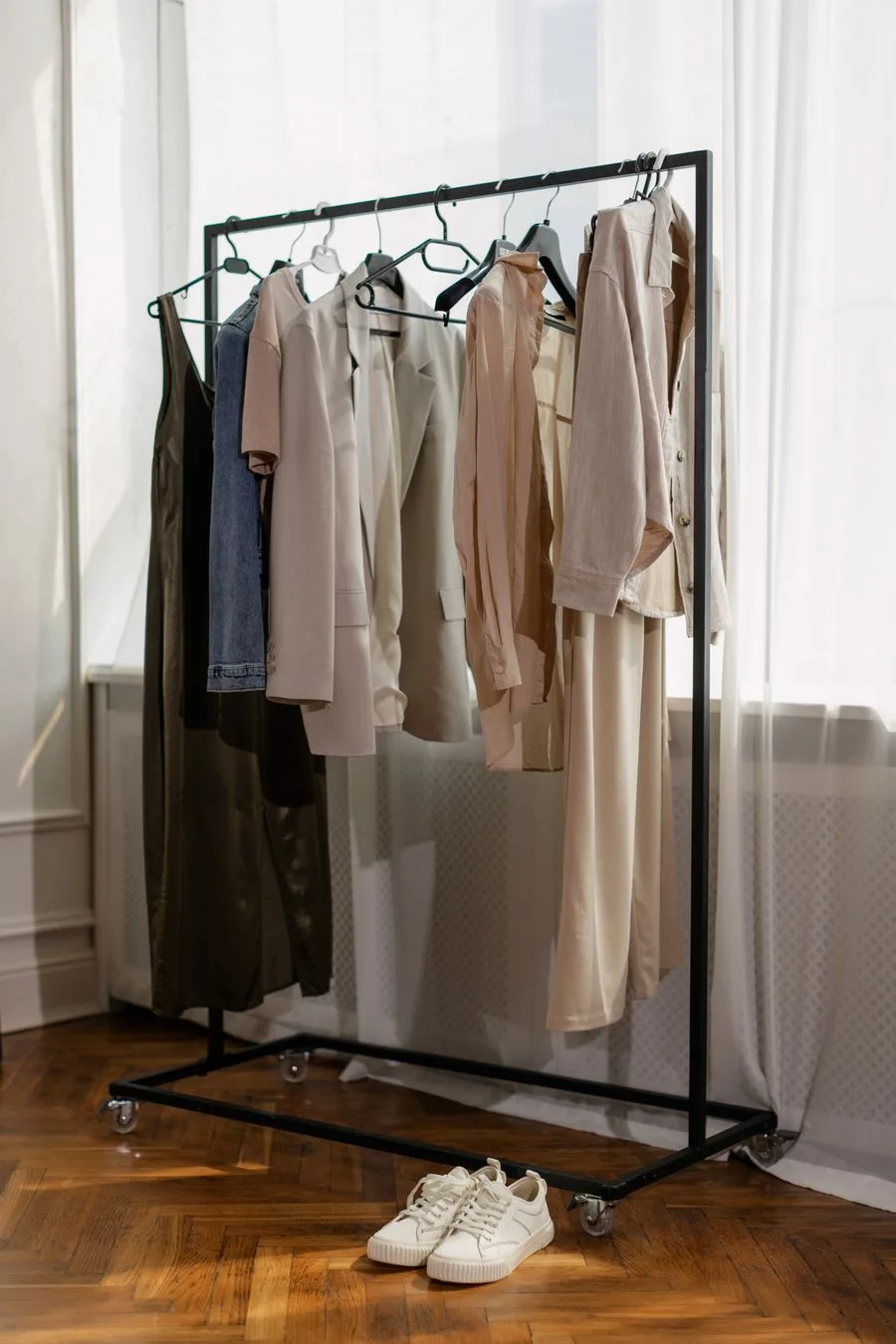
Use the clothes you reach for most to find the combinations that work in your actual week.
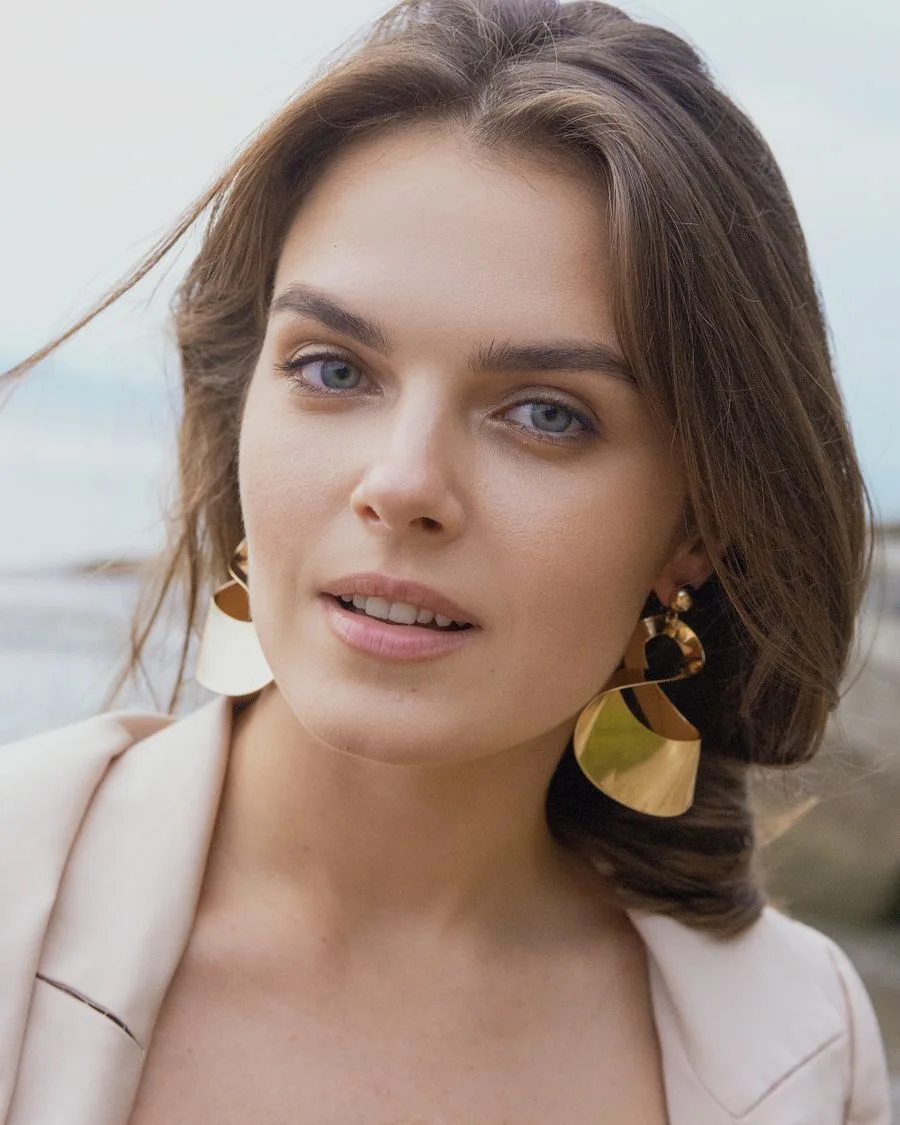
Use the neckline, hair, and finish of the metal to give a sculptural pair space.
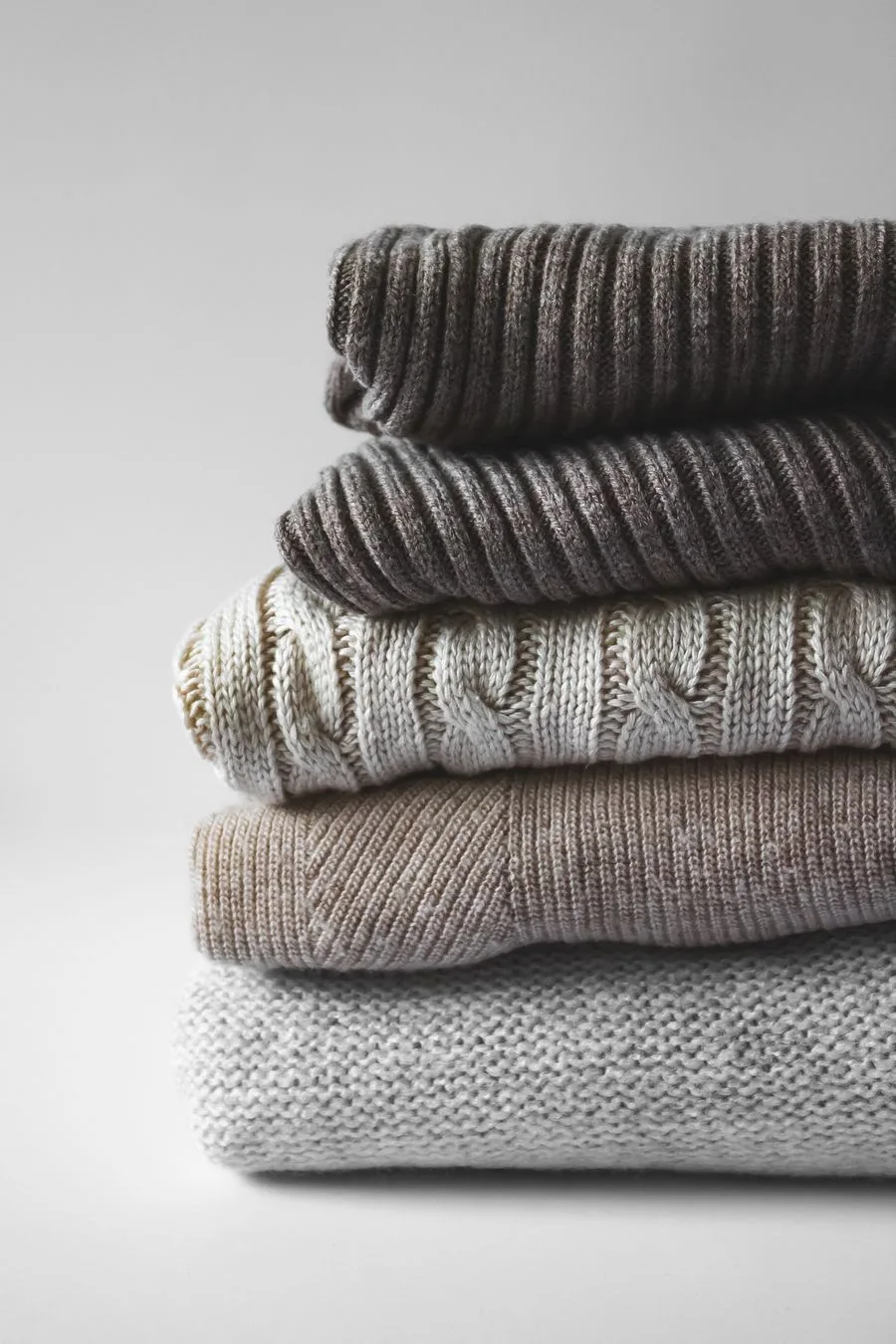
A quick fitting-room check for the neckline, cuff, and inside seams.

Keep an extended shoulder and use the wrist, waist, and trouser hem to control the proportions.

Change the weight of the cotton, the denim wash, or the shoe to shift the mood.
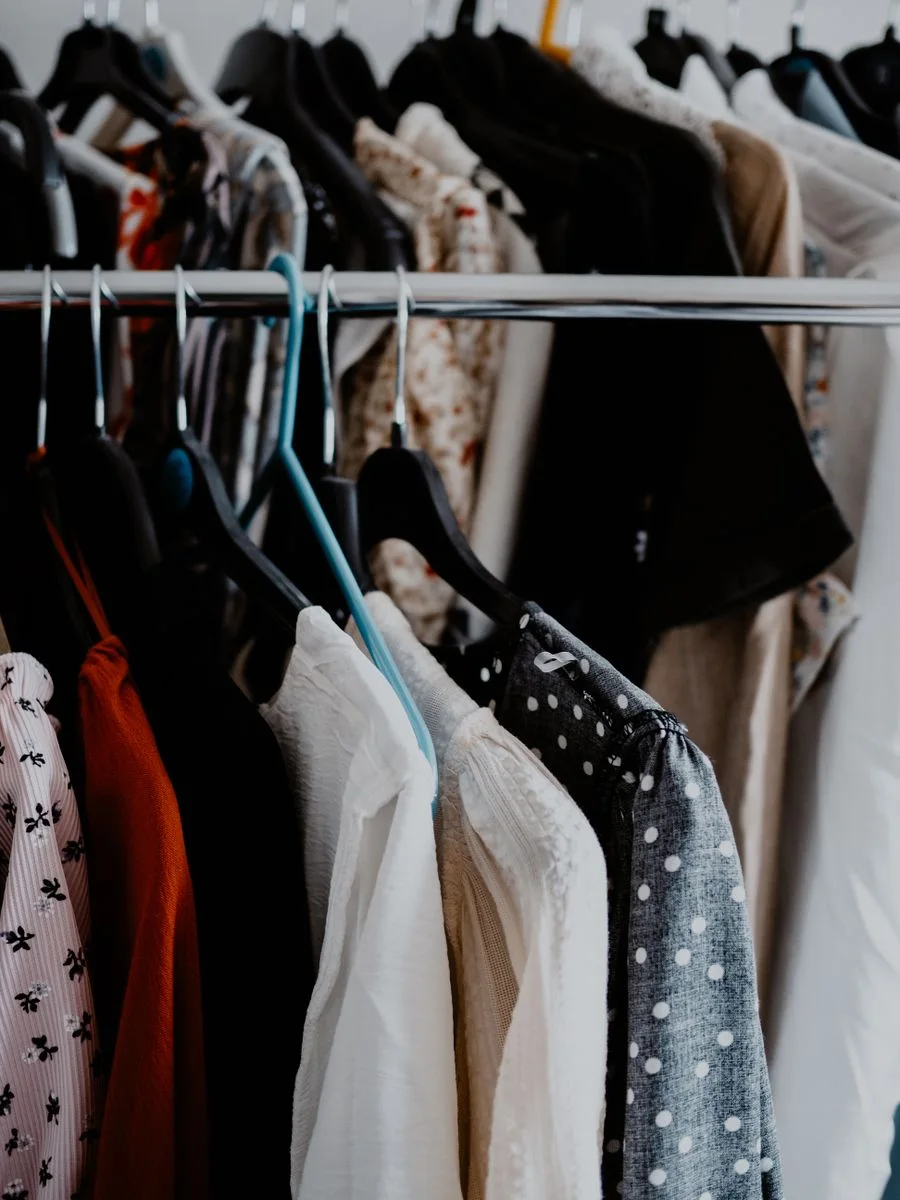
Take a useful set of measurements and know what to inspect before you reach the till.

Give a bright red piece a clear place in an outfit by controlling its size and distance from other colors.
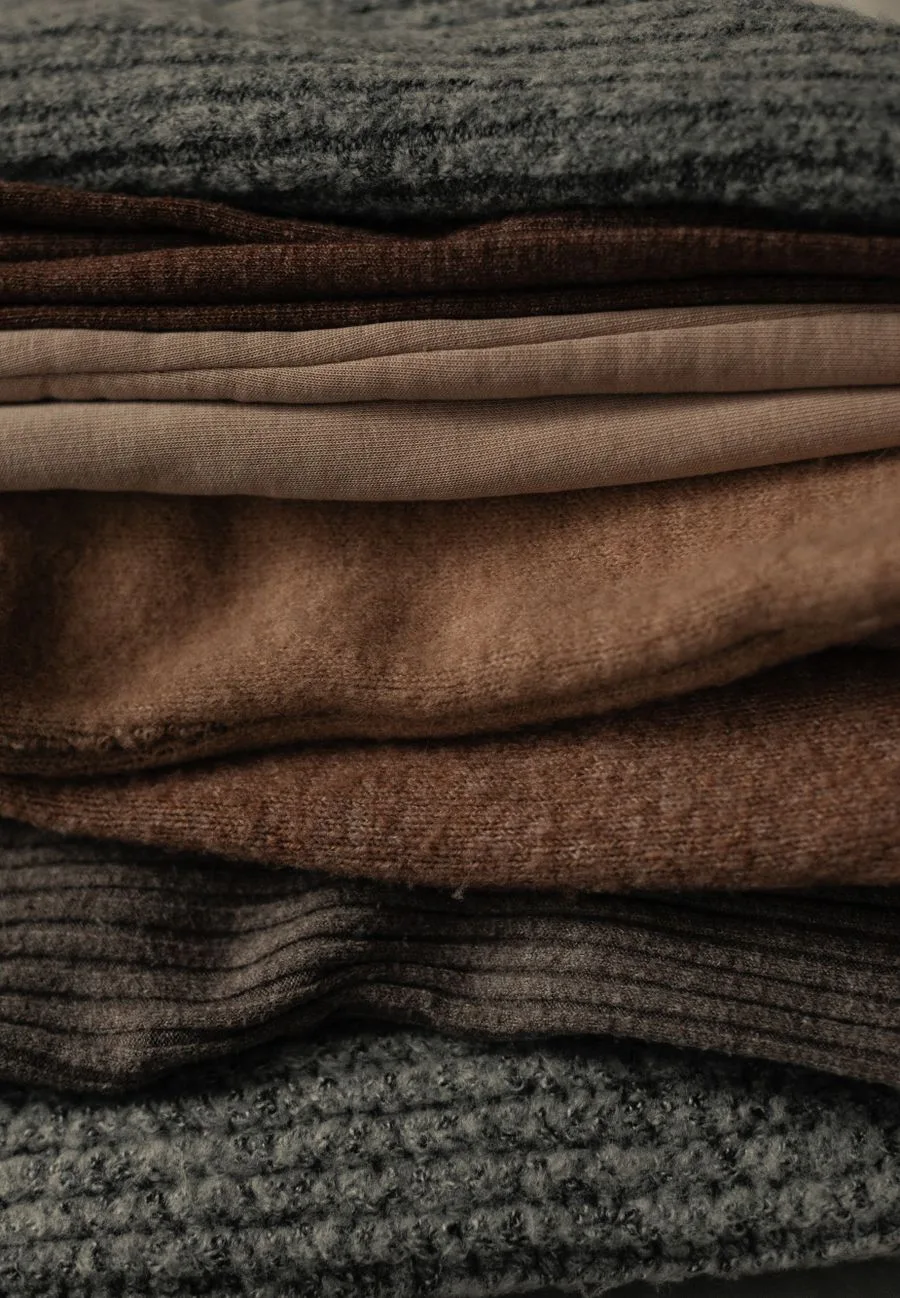
Compare nap, sheen, and weave before adding another color to a simple outfit.
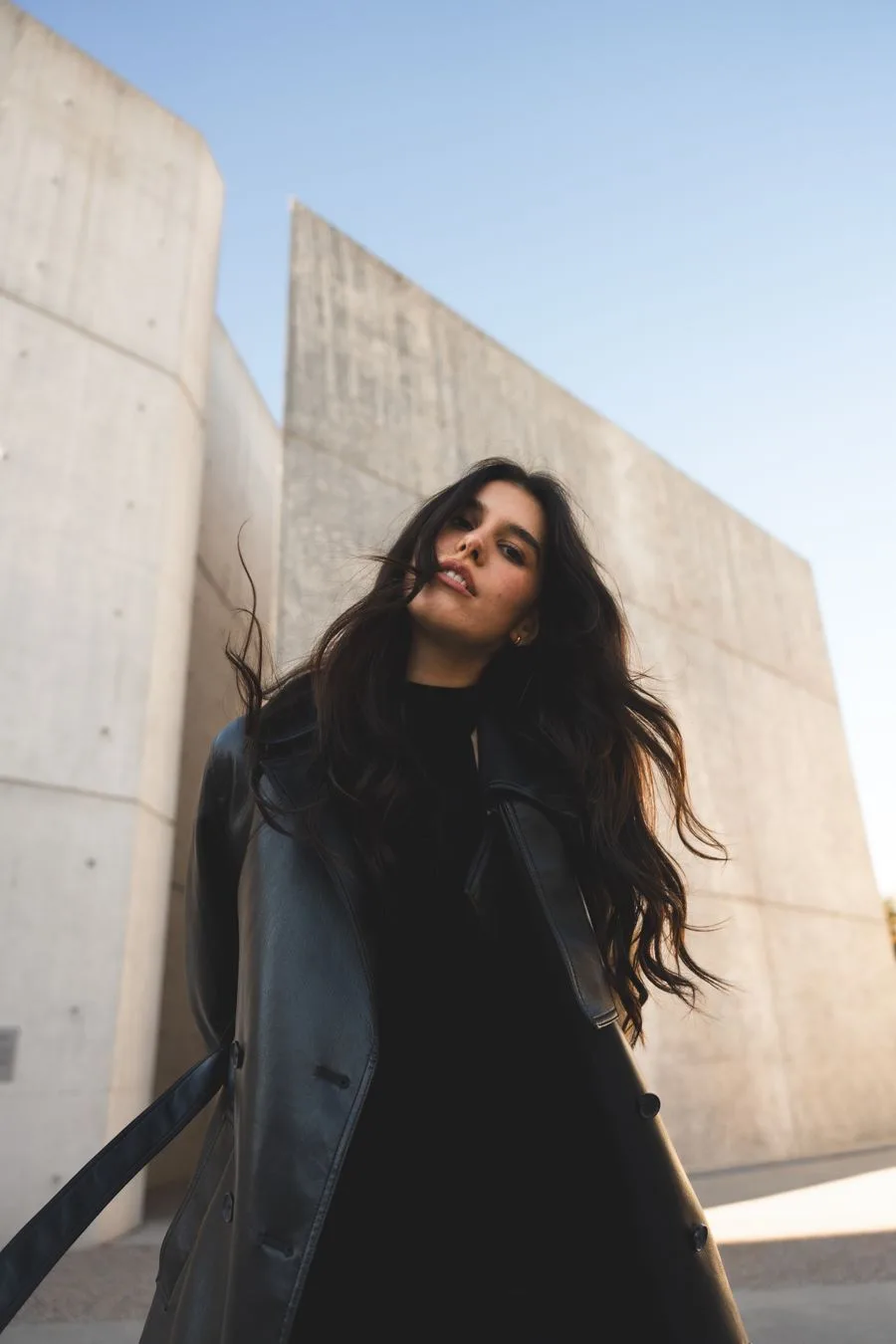
Build separation into black layers with finish, volume, and visible edges.
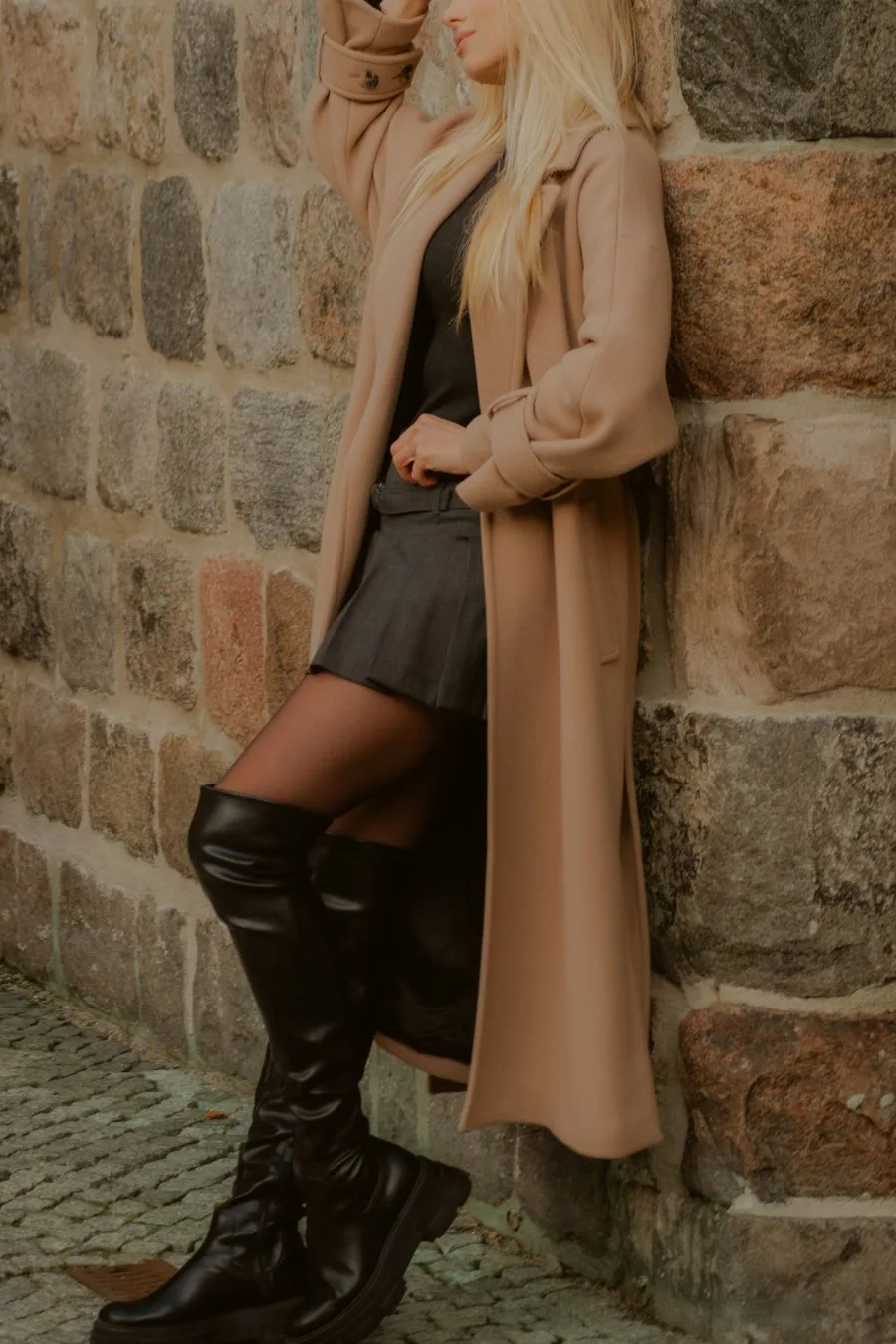
Pair chocolate brown with pale cotton, charcoal, or indigo using the shade already in your clothes.
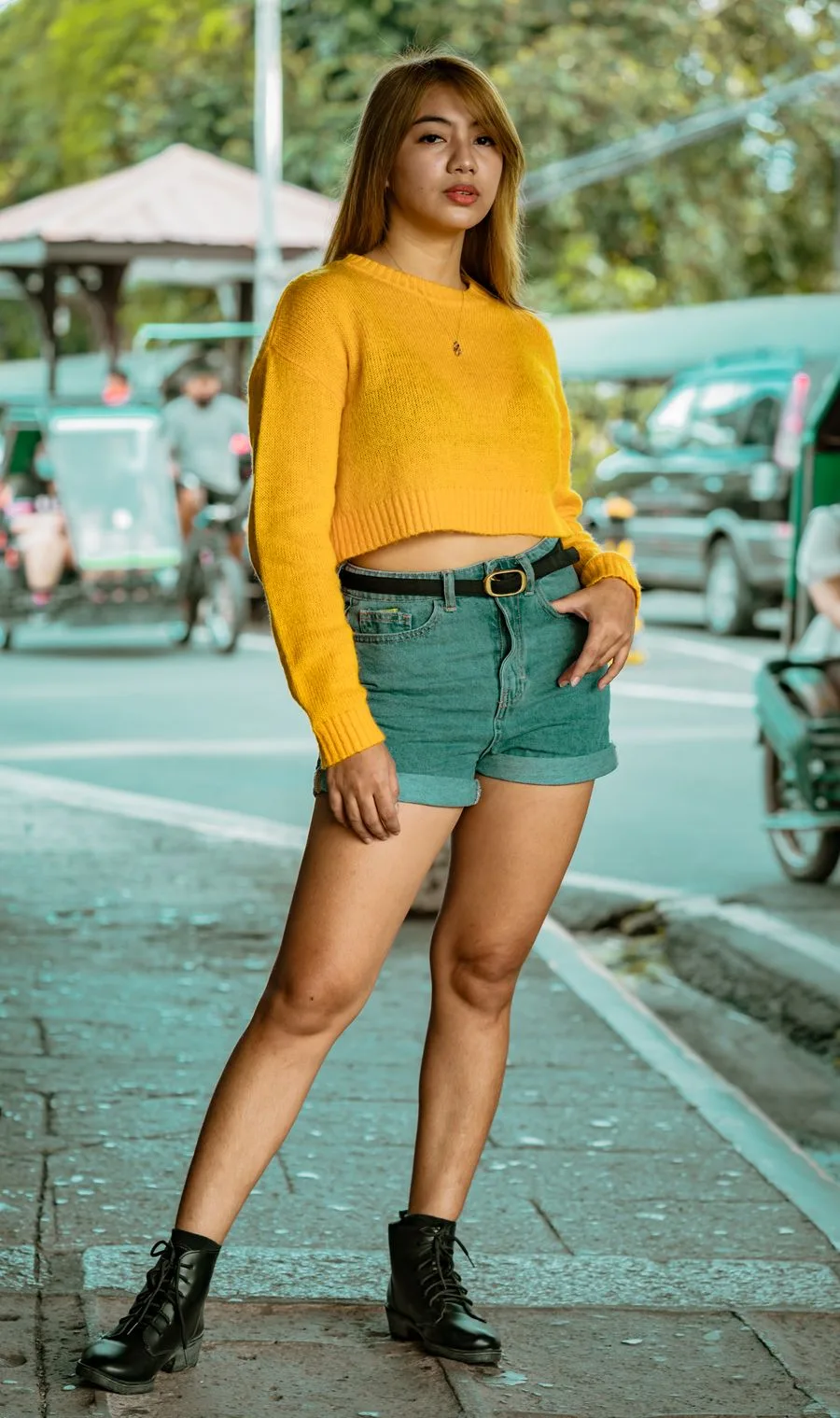
Find the right depth of yellow by trying it against denim, stone, and dark green.
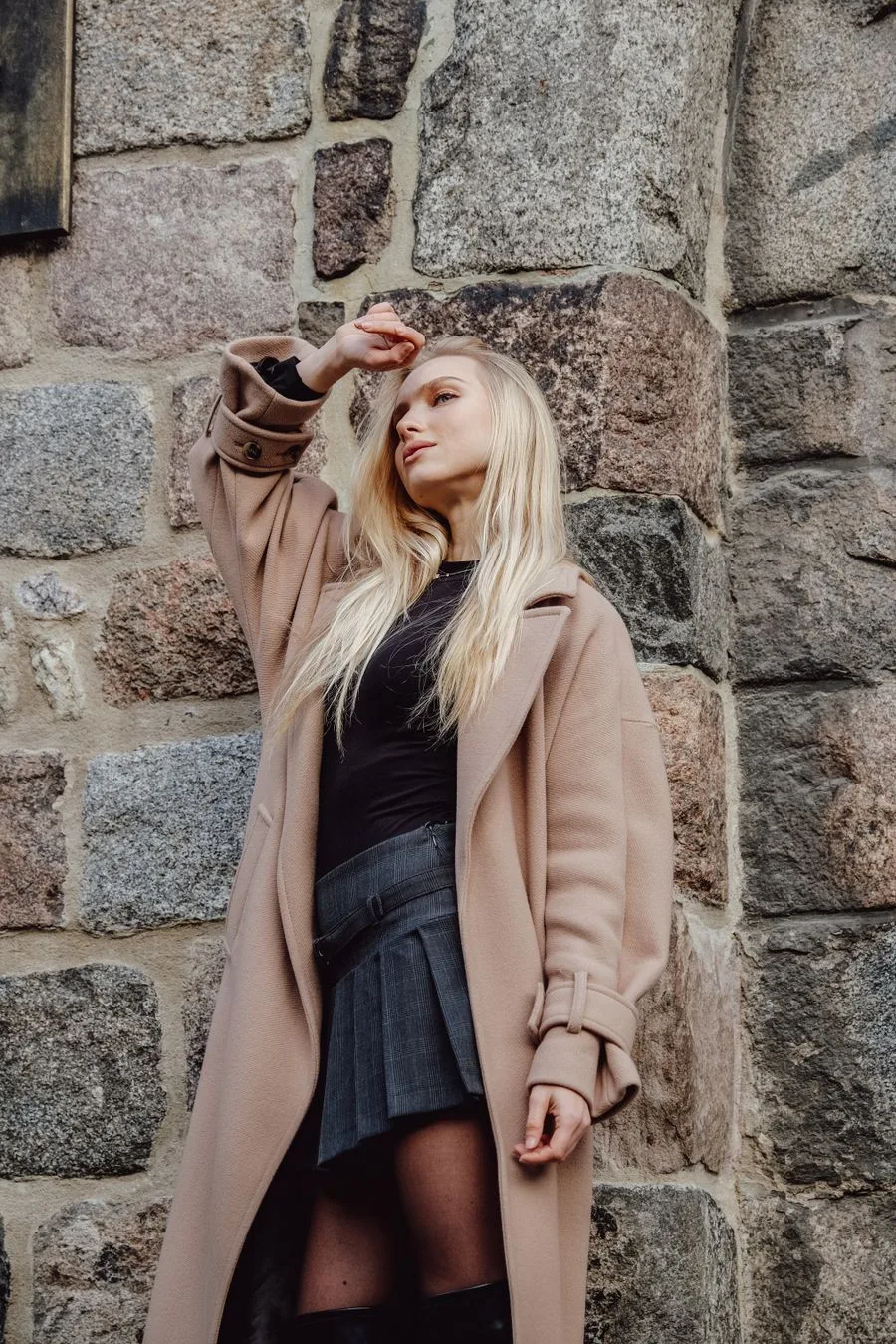
Put a shorter outer layer to work with an exposed hem, a fine knit, or a fuller skirt.
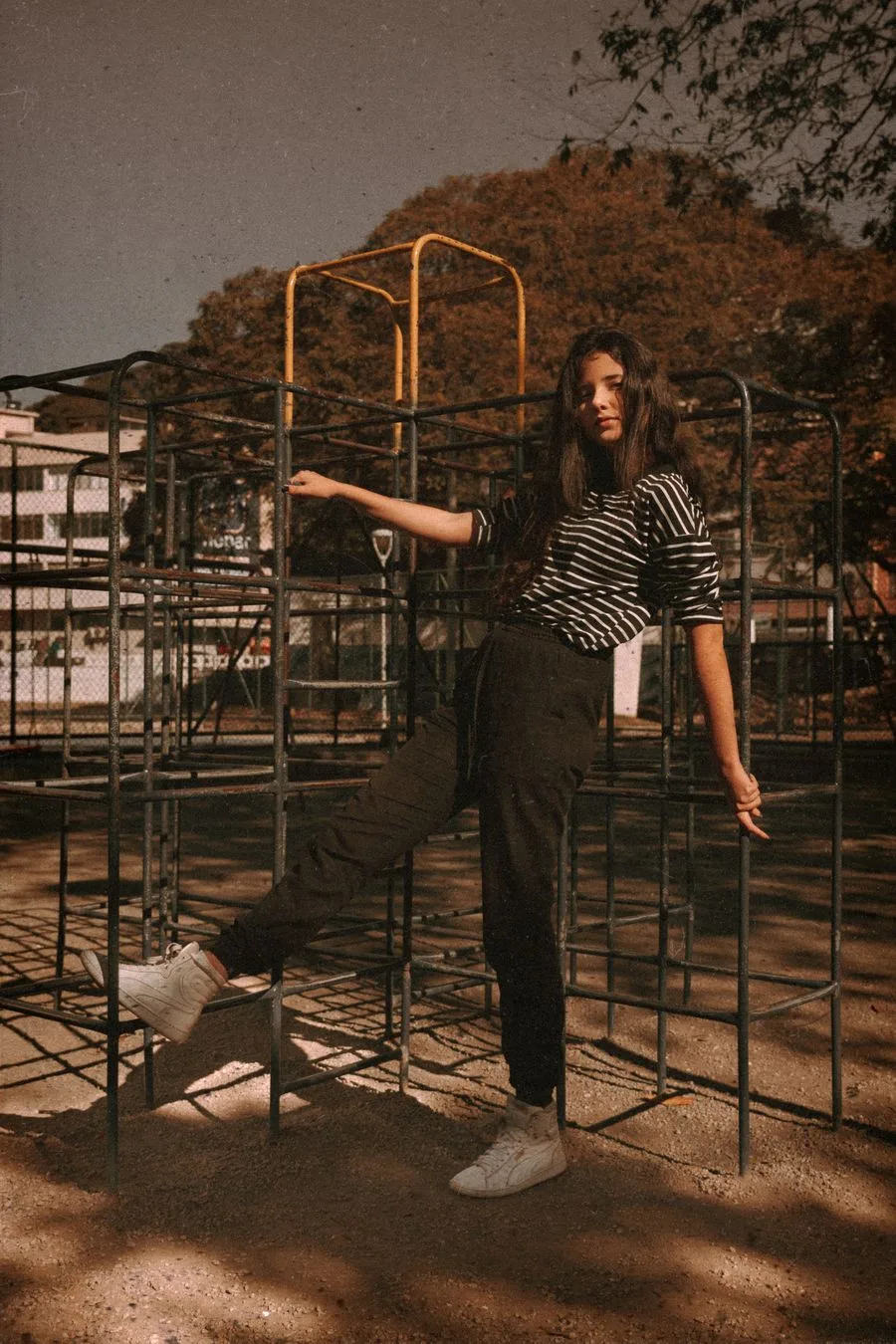
Adjust the width, contrast, and placement of a stripe to change how far it carries.
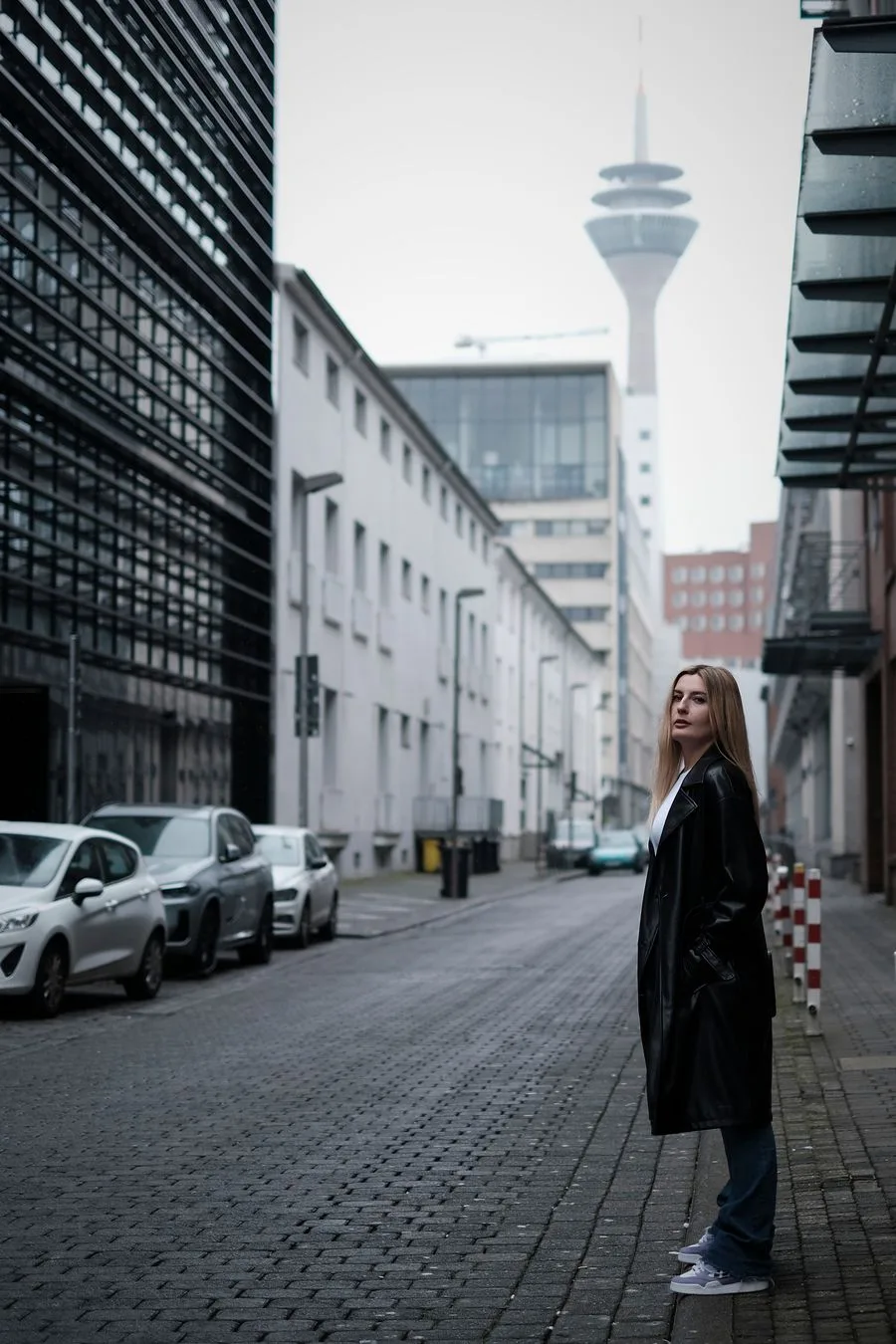
Put together a reliable walking outfit with a jacket, trousers, and shoes that work as a unit.
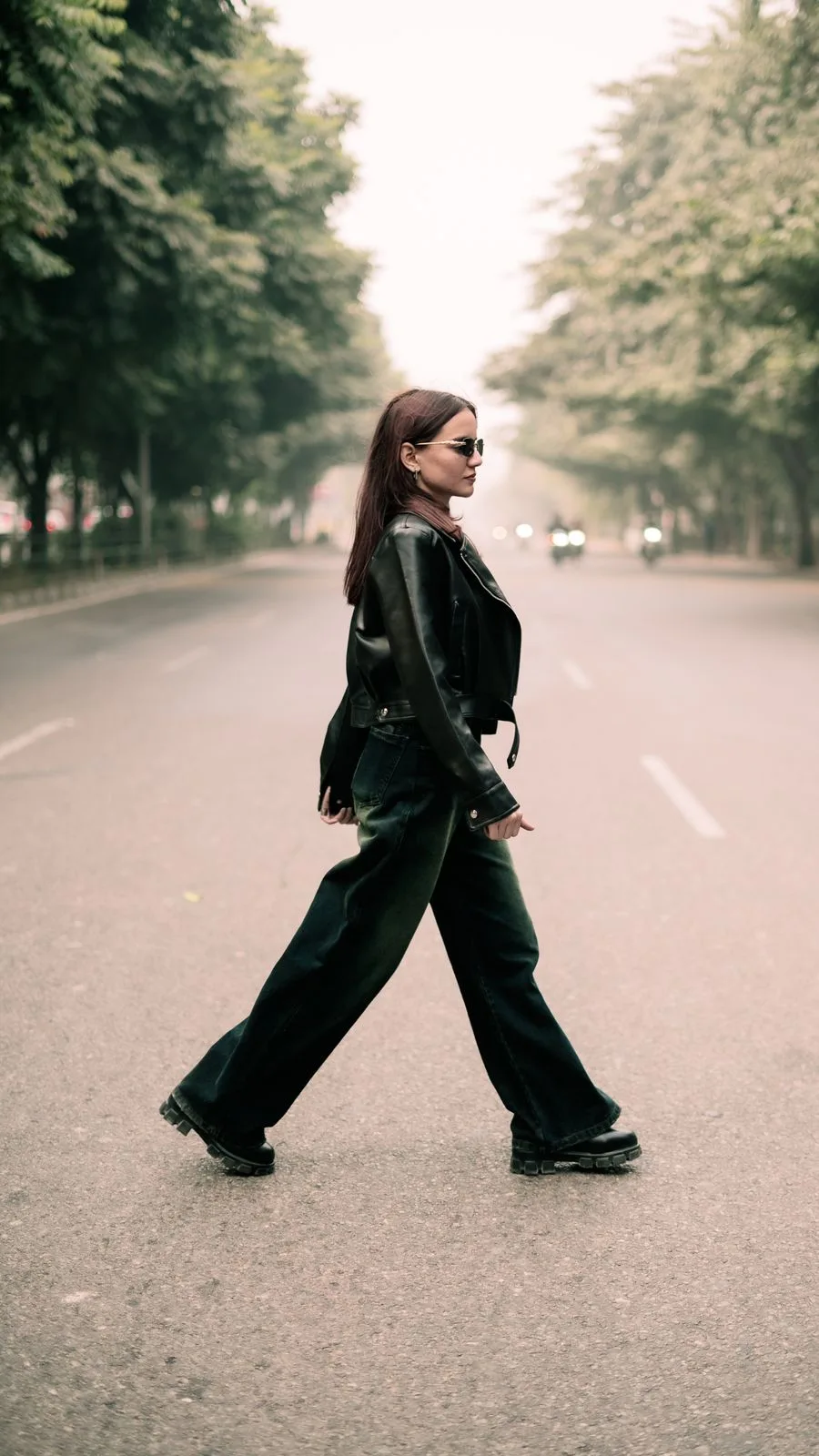
Make room for layers, movement, and the shoes you already wear most.
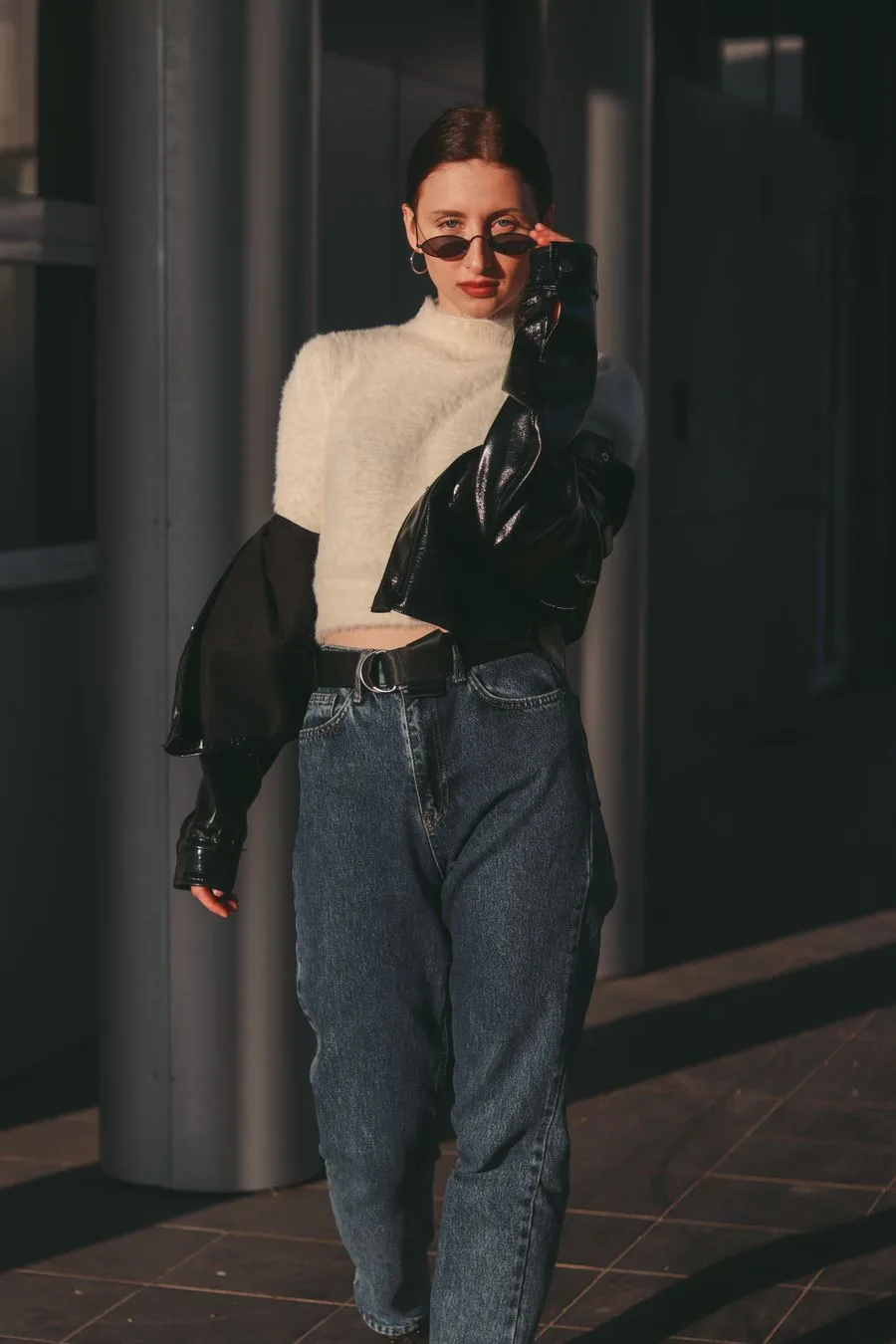
Wear deep indigo with black, gray, and white while keeping the outline relaxed.
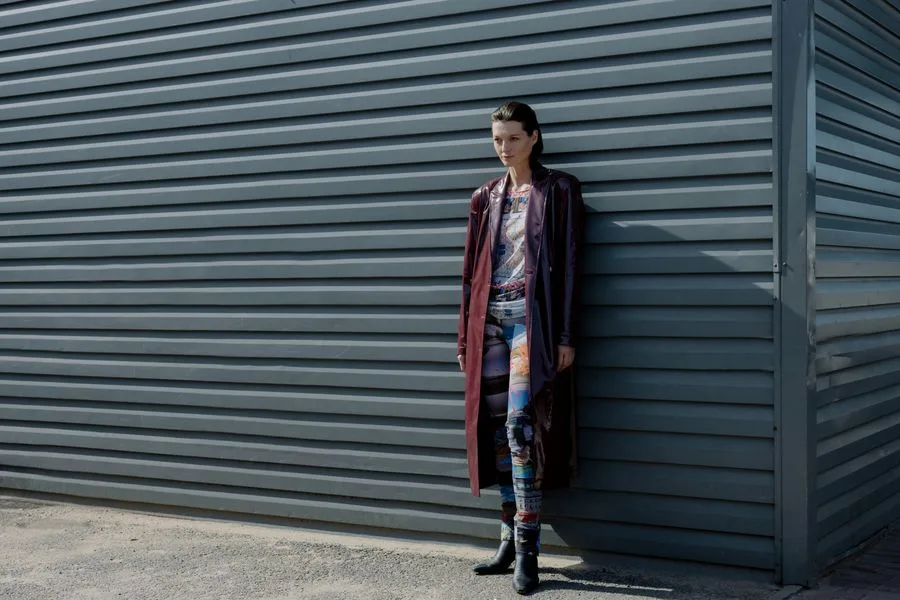
Balance a low hem with an open front, a visible trouser line, and a practical shoe.
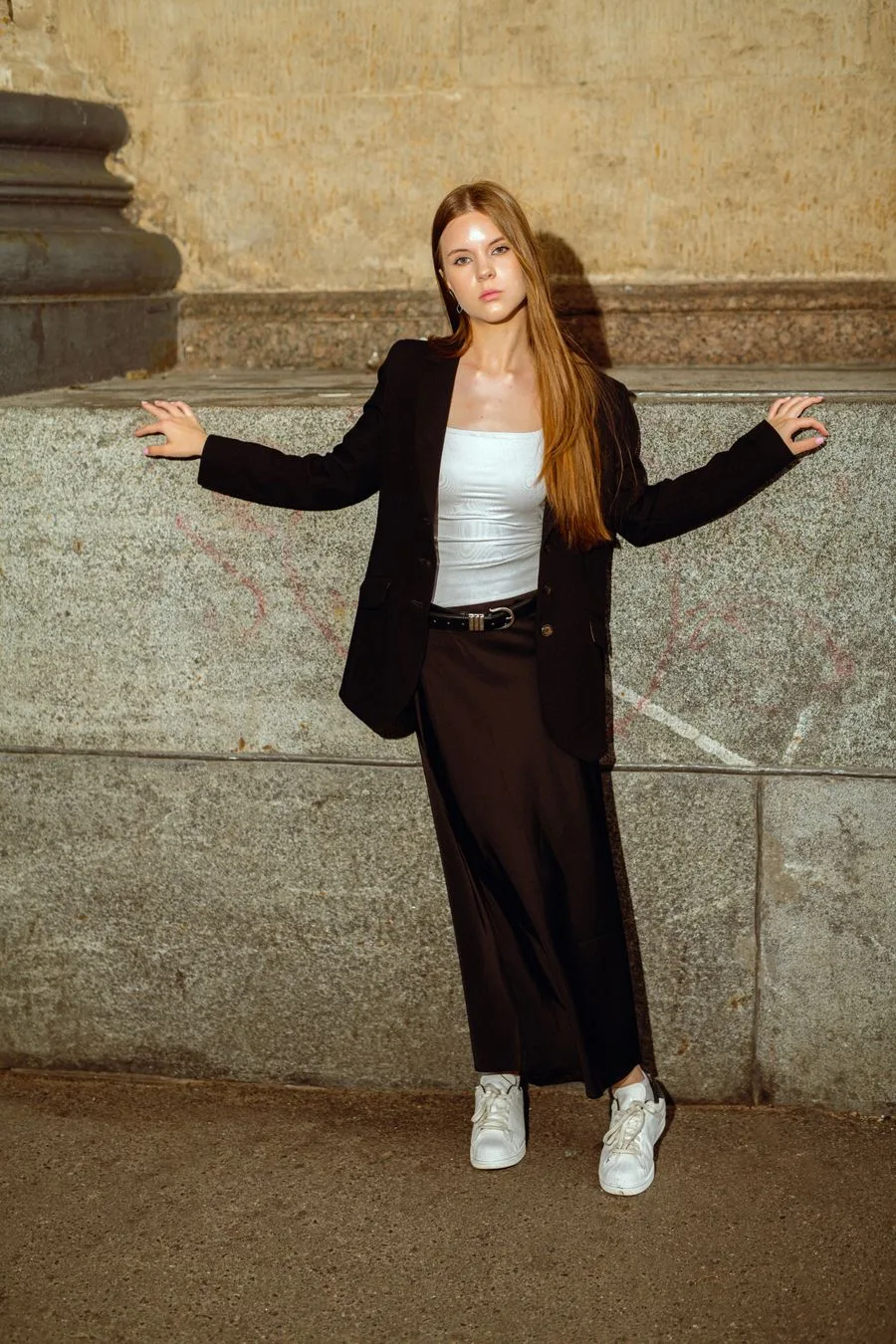
Look for a stable front edge and enough room to wear the cardigan as your outer layer.

Test brim, crown, and hair together so the hat sits comfortably with your coat.
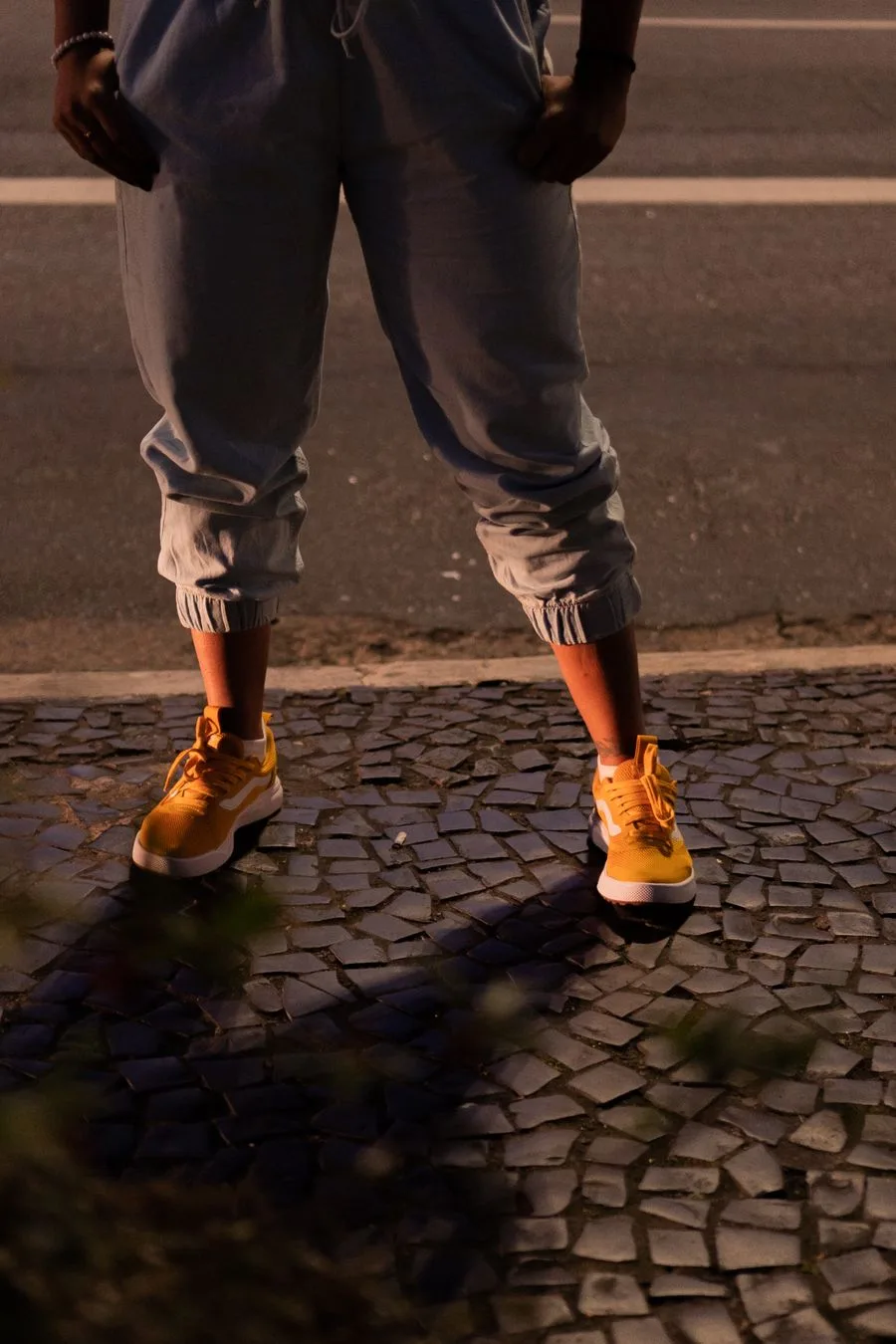
Compare shoe volume and hem length to keep wide, straight, and tapered trousers moving freely.
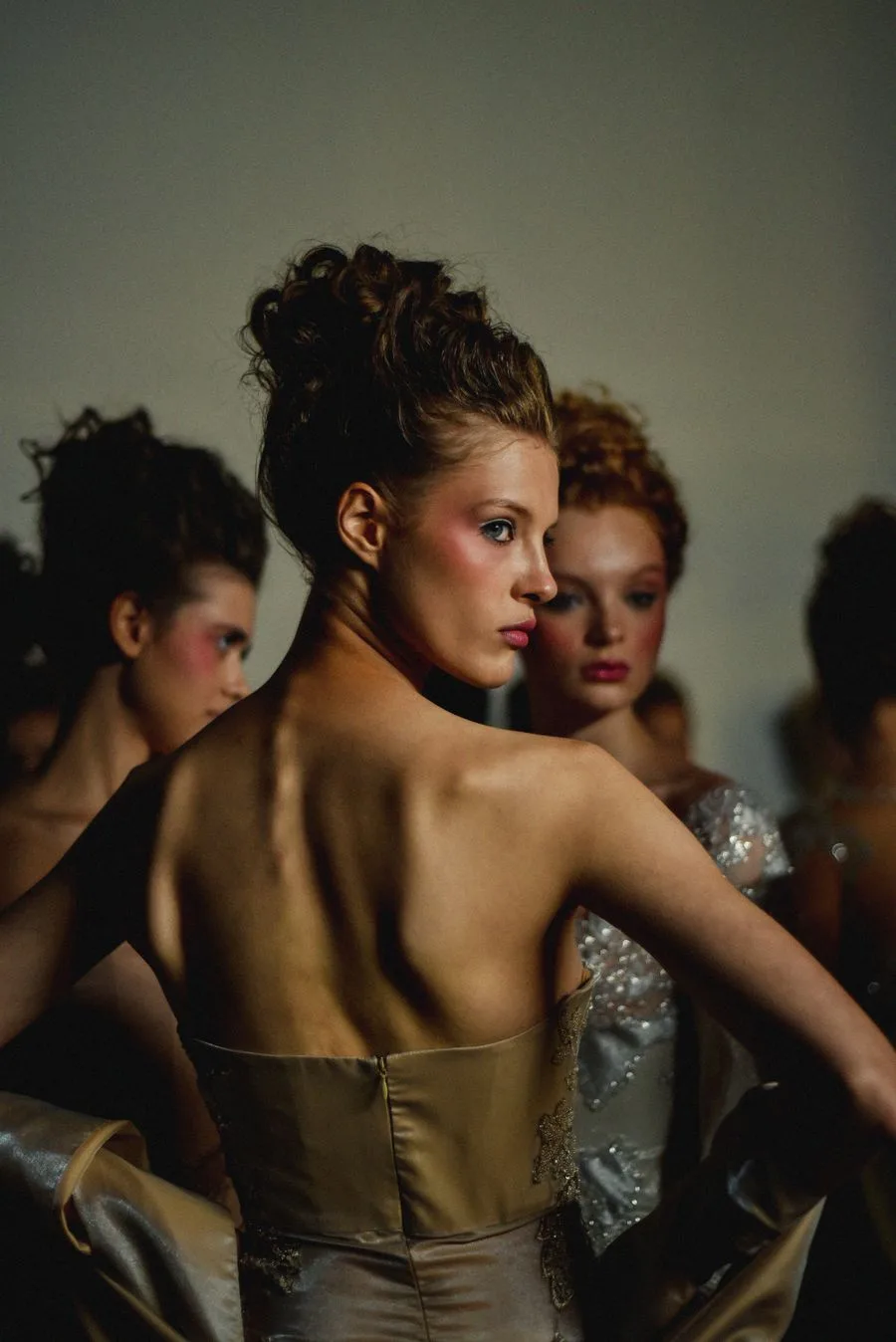
Read the order of looks through closures, footwear, racks, and the people moving the clothes.

Watch the hem, sleeve, and turn to see characteristics a still image can miss.
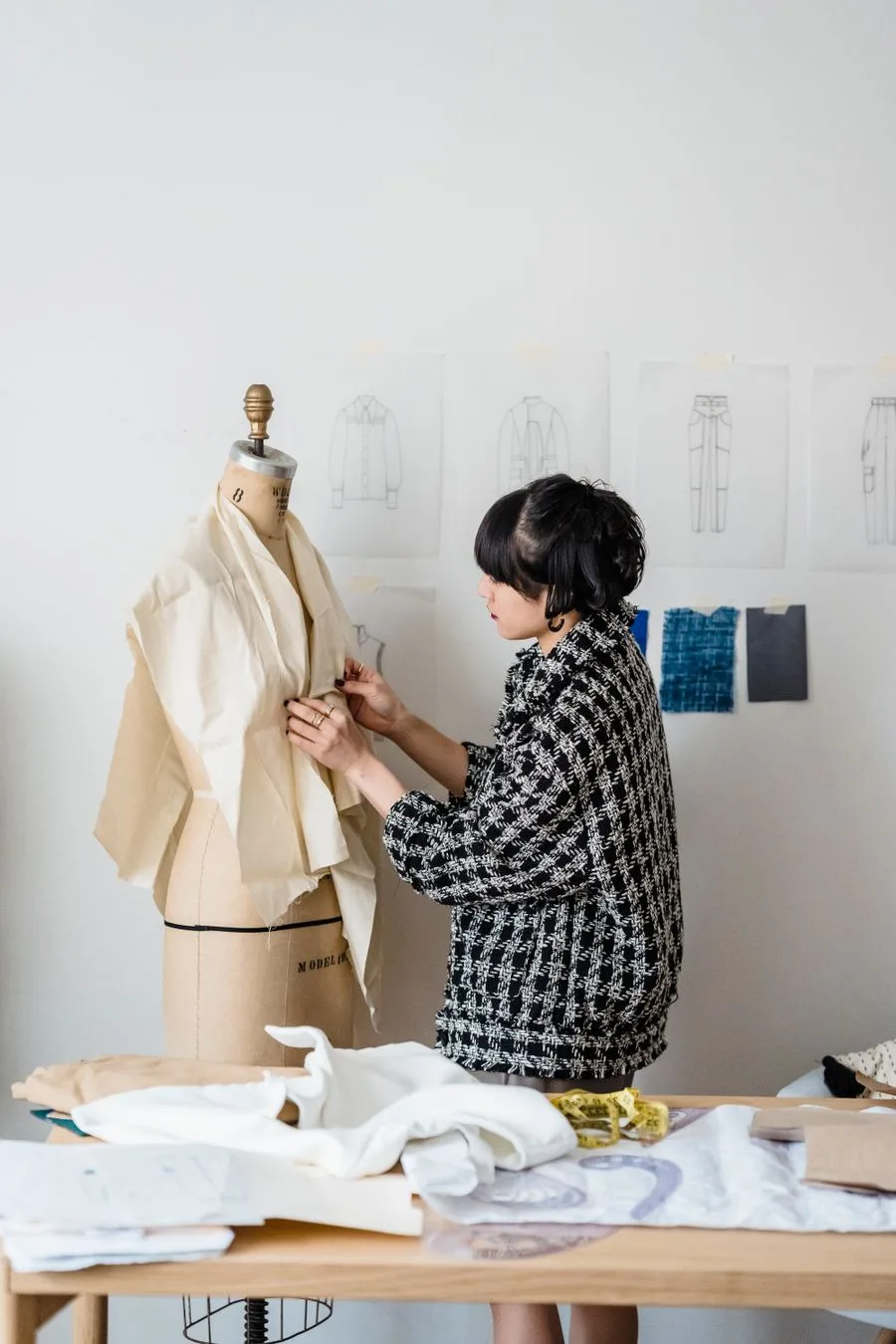
Use folds, anchor points, and grain to understand where a three-dimensional shape begins.

Reduce a look to its outside shape and compare where the weight sits across several outfits.
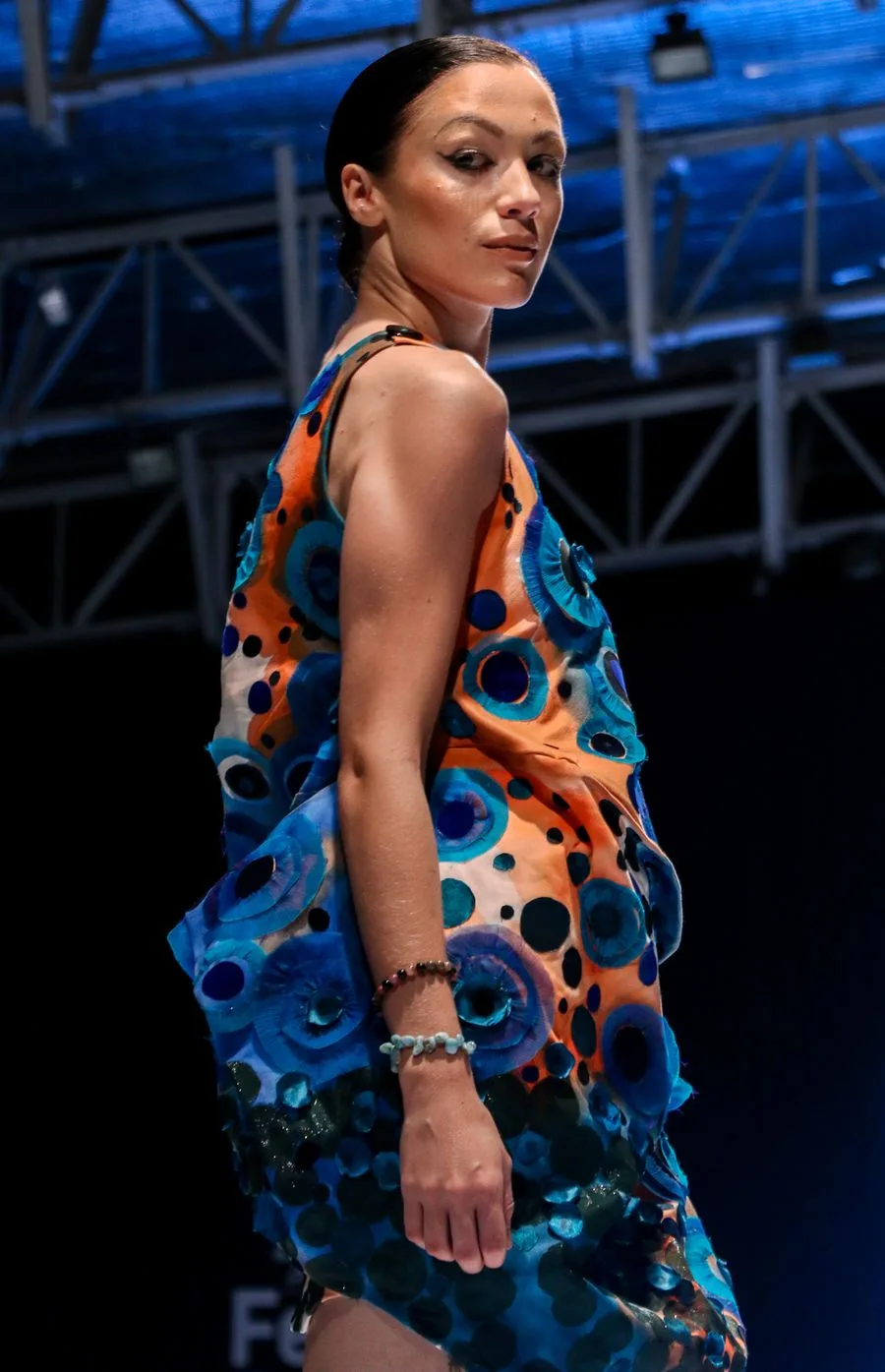
Study where a motif lands in relation to the garment, the seams, and the person wearing it.
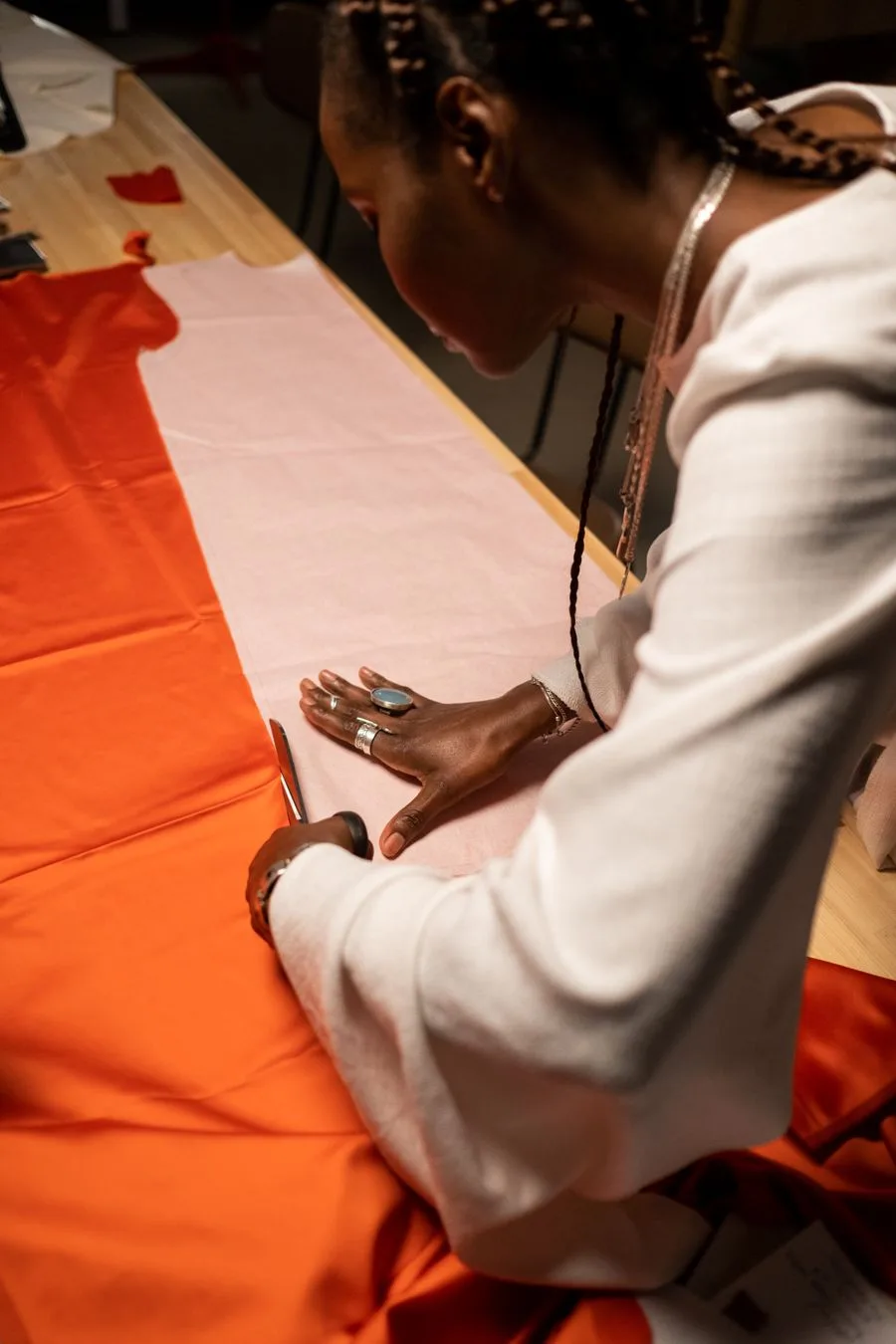
See how grain, pile, and print placement decide where a garment pattern can sit.
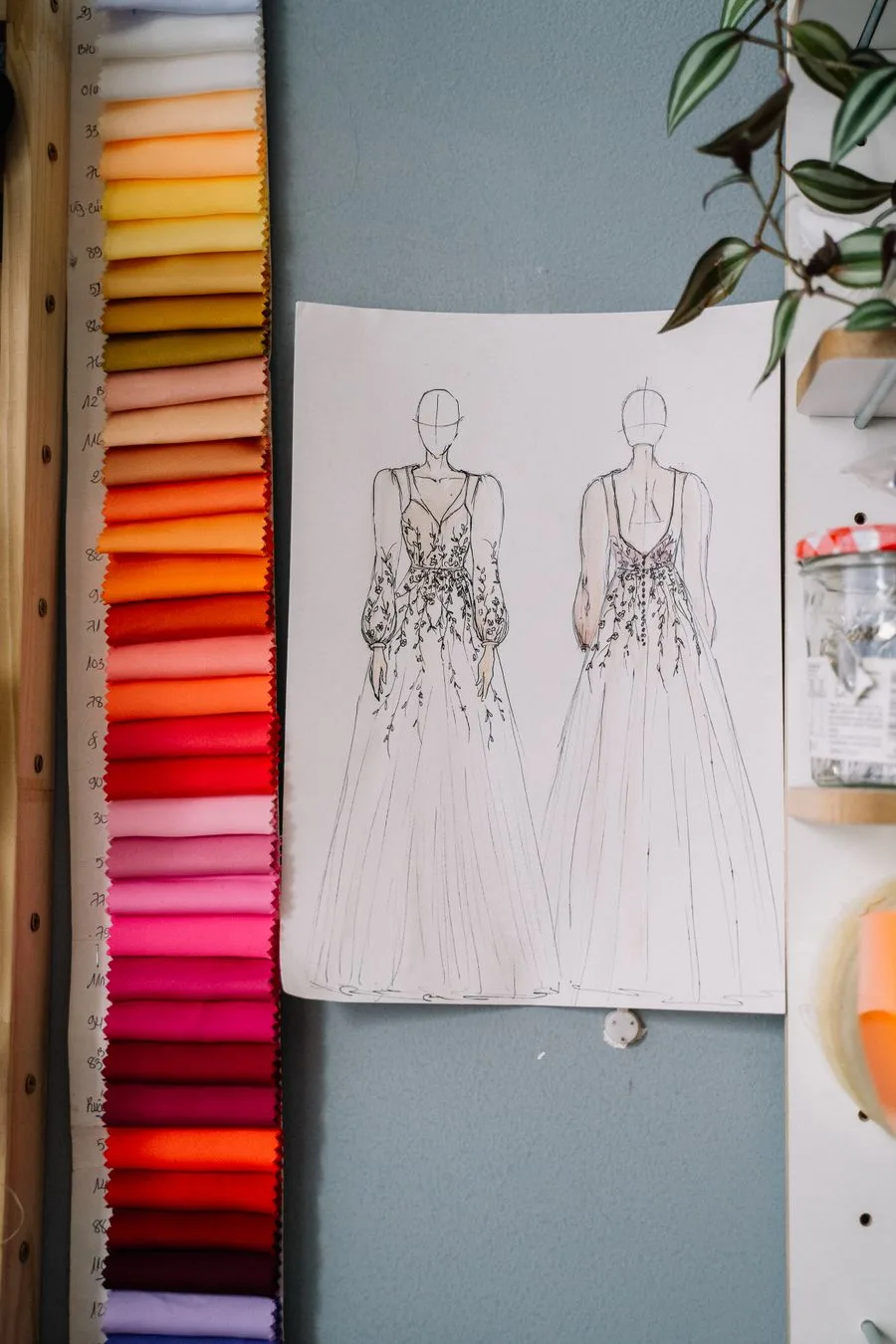
Follow a design through a working drawing, a trial garment, and changes made on the body.
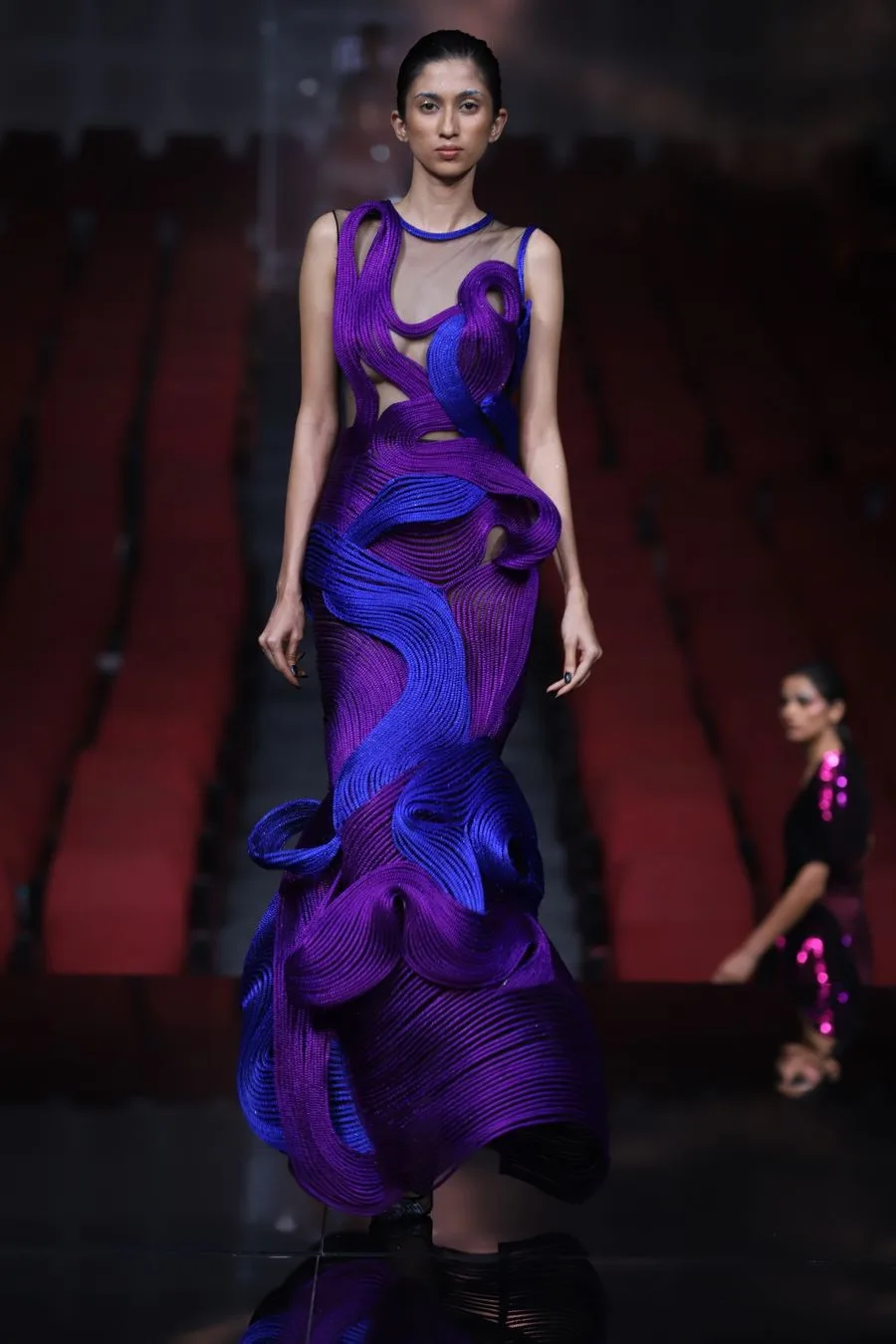
Watch how directional light can bring out sheen, color, transparency, and surface detail.
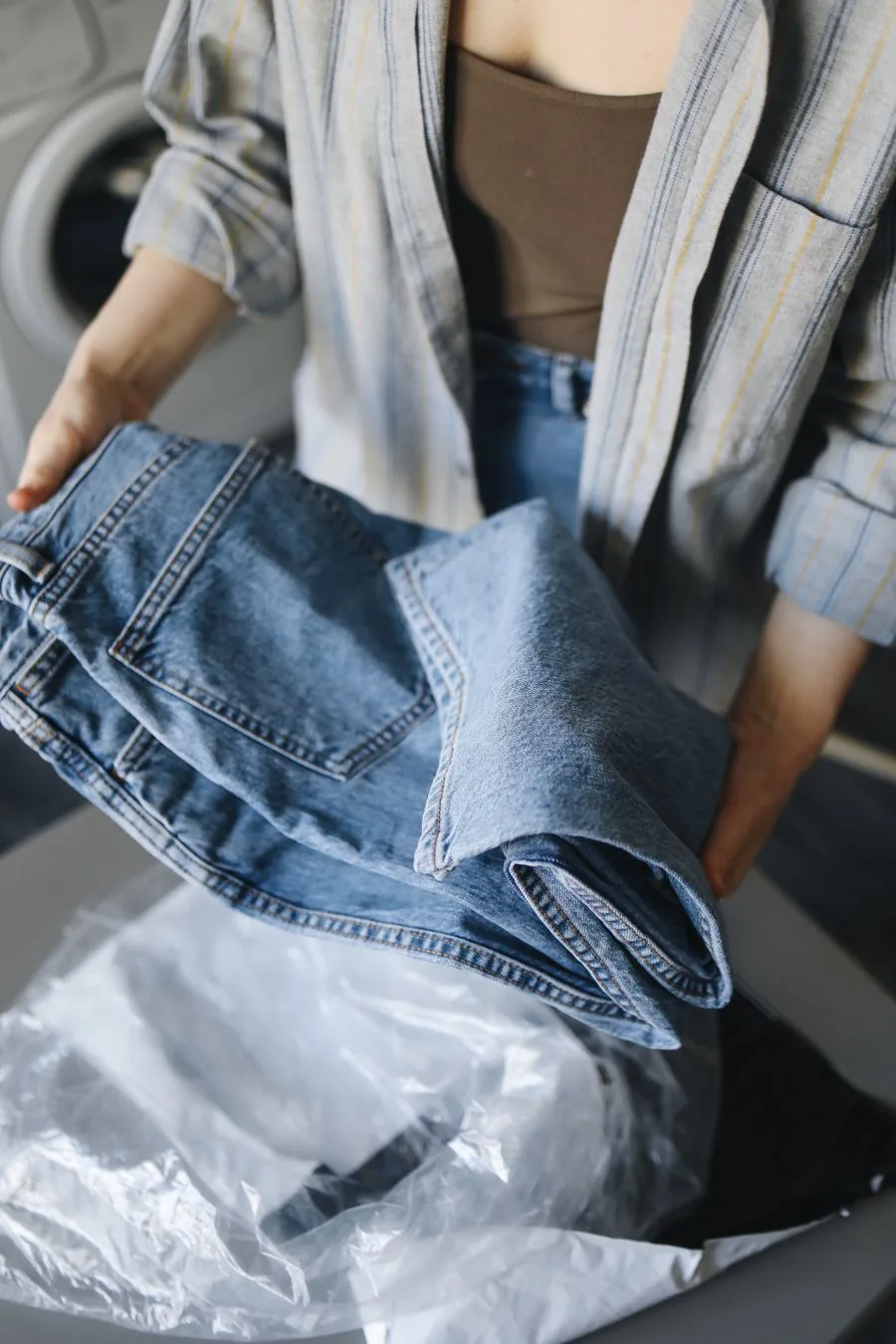
Use the care label, check stress points, and preserve the shape you bought the jeans for.
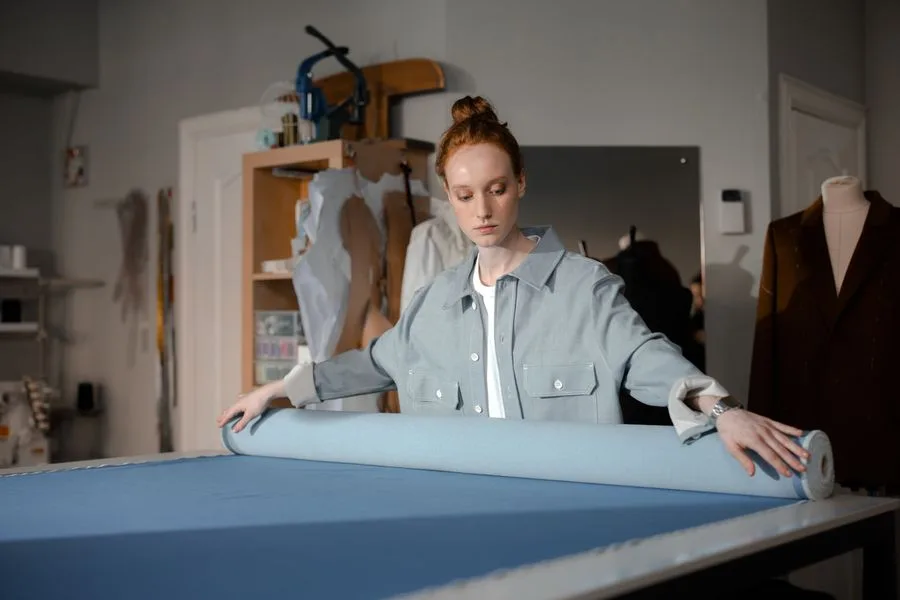
Test reach, sitting comfort, and the view from the back before committing to a garment.
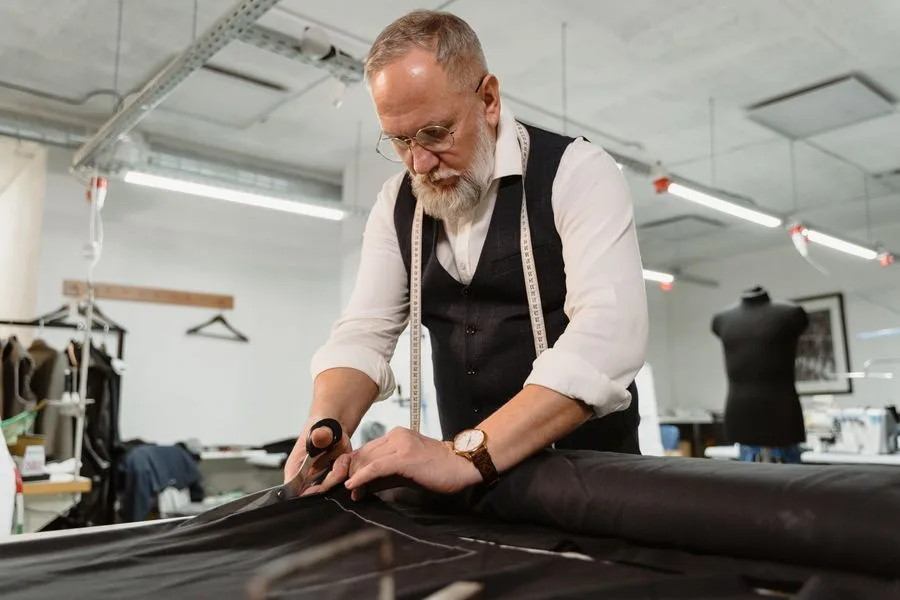
Start with hems, sleeves, and waist placement before considering changes that affect the whole garment.
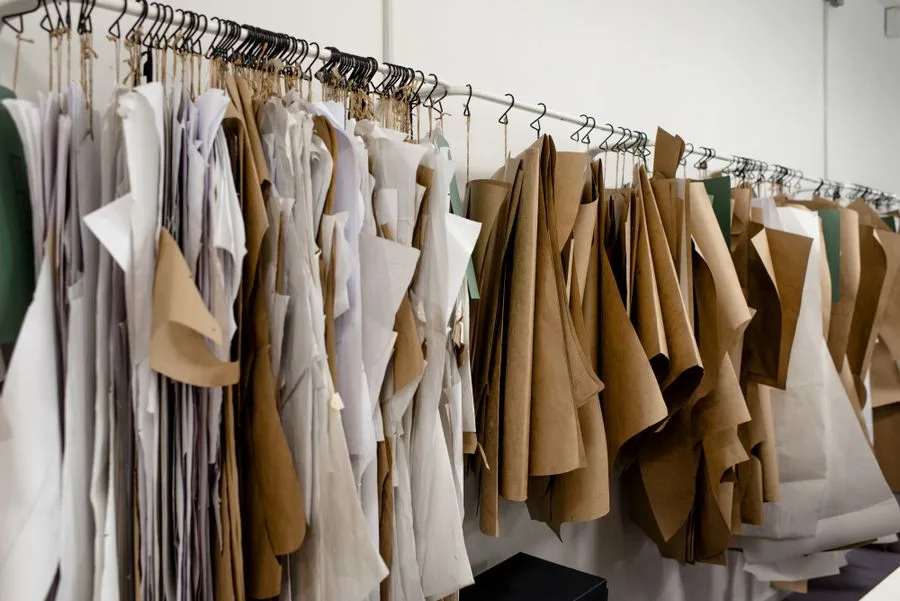
Check how the seams, lining, edges, and pockets are handled before judging how a piece will wear.

Bring a real midlayer to the fitting and check how the coat behaves when buttoned.
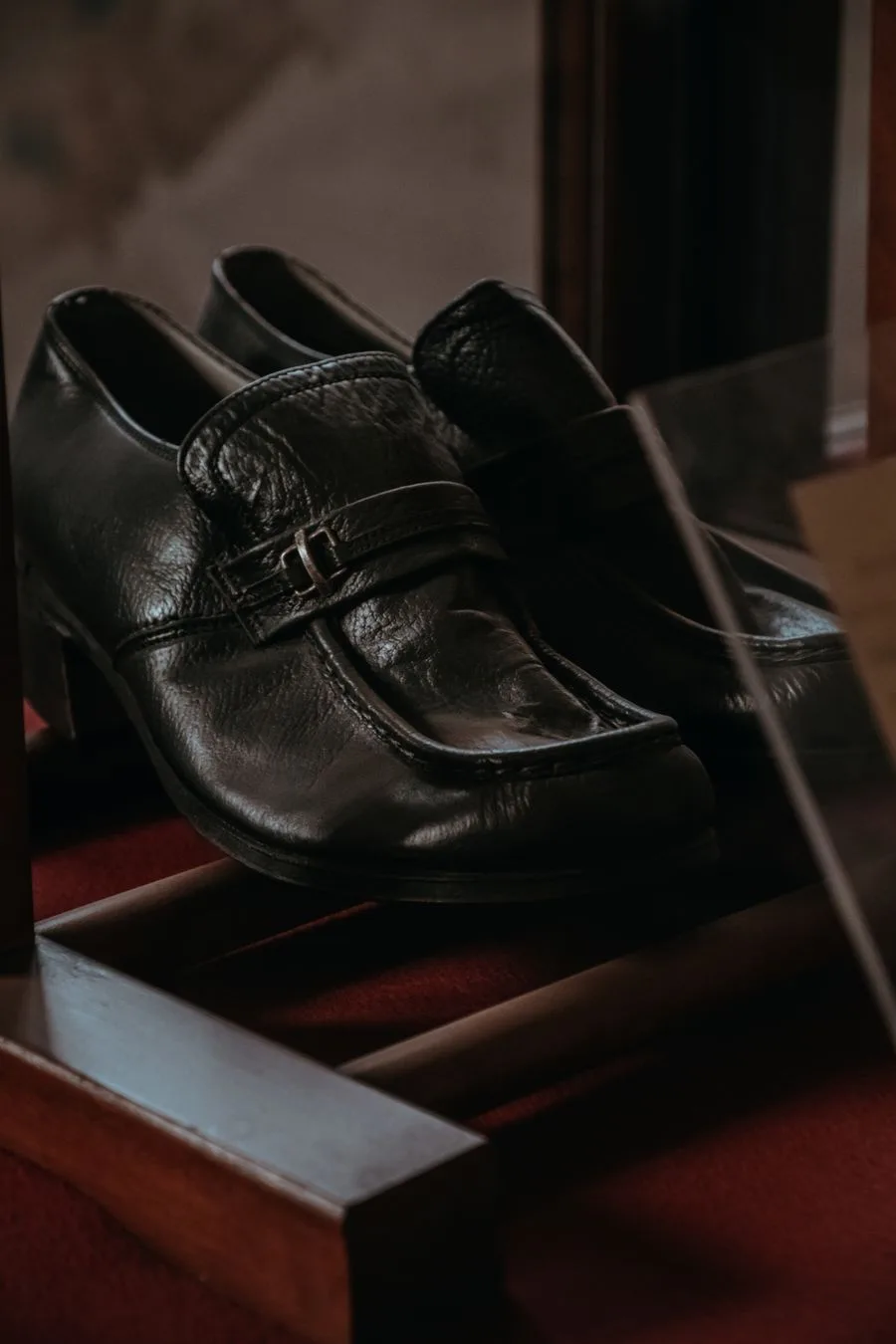
Check heel hold, instep pressure, and the trouser hem before choosing a pair.
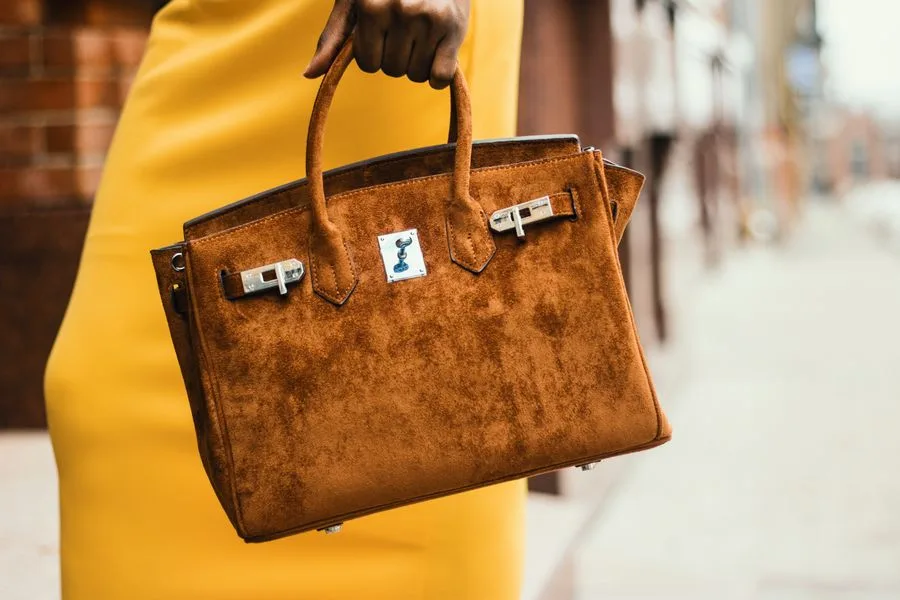
Put the bag at a height that lets you walk naturally and reach inside easily.
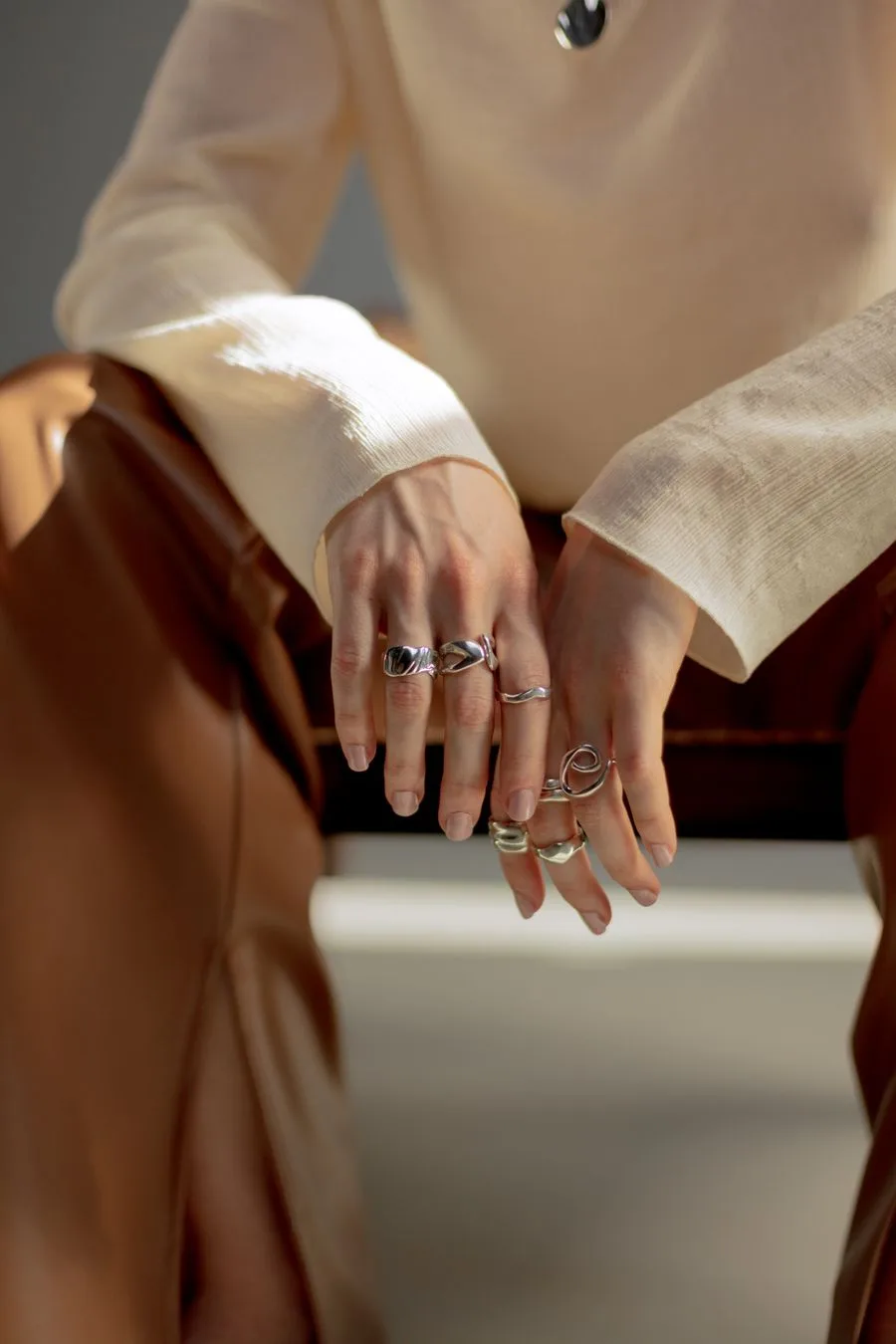
Build around one ring, vary the widths, and leave clearance around the knuckle.
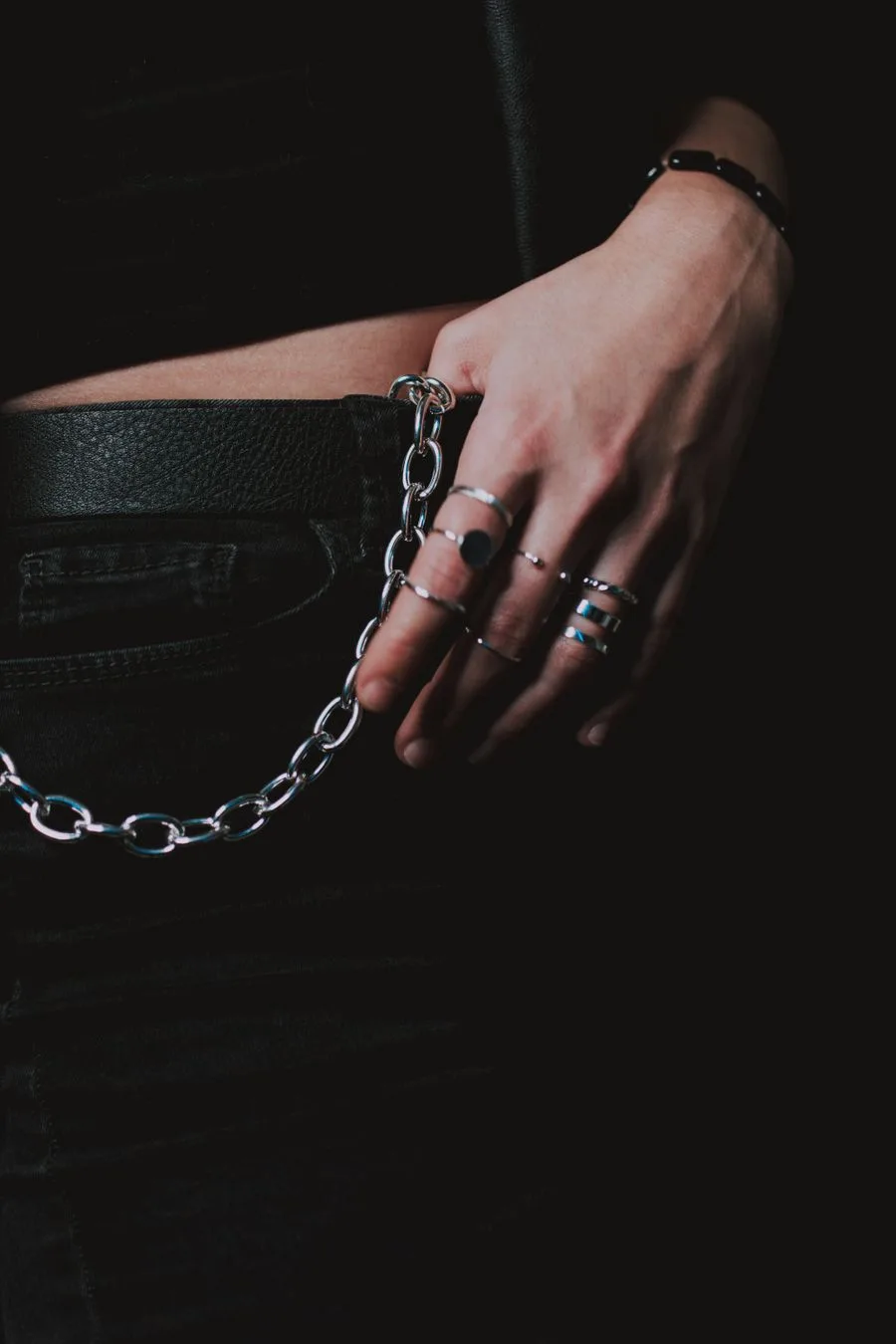
Compare high and low placements with your clothes on and check the effect from the side.
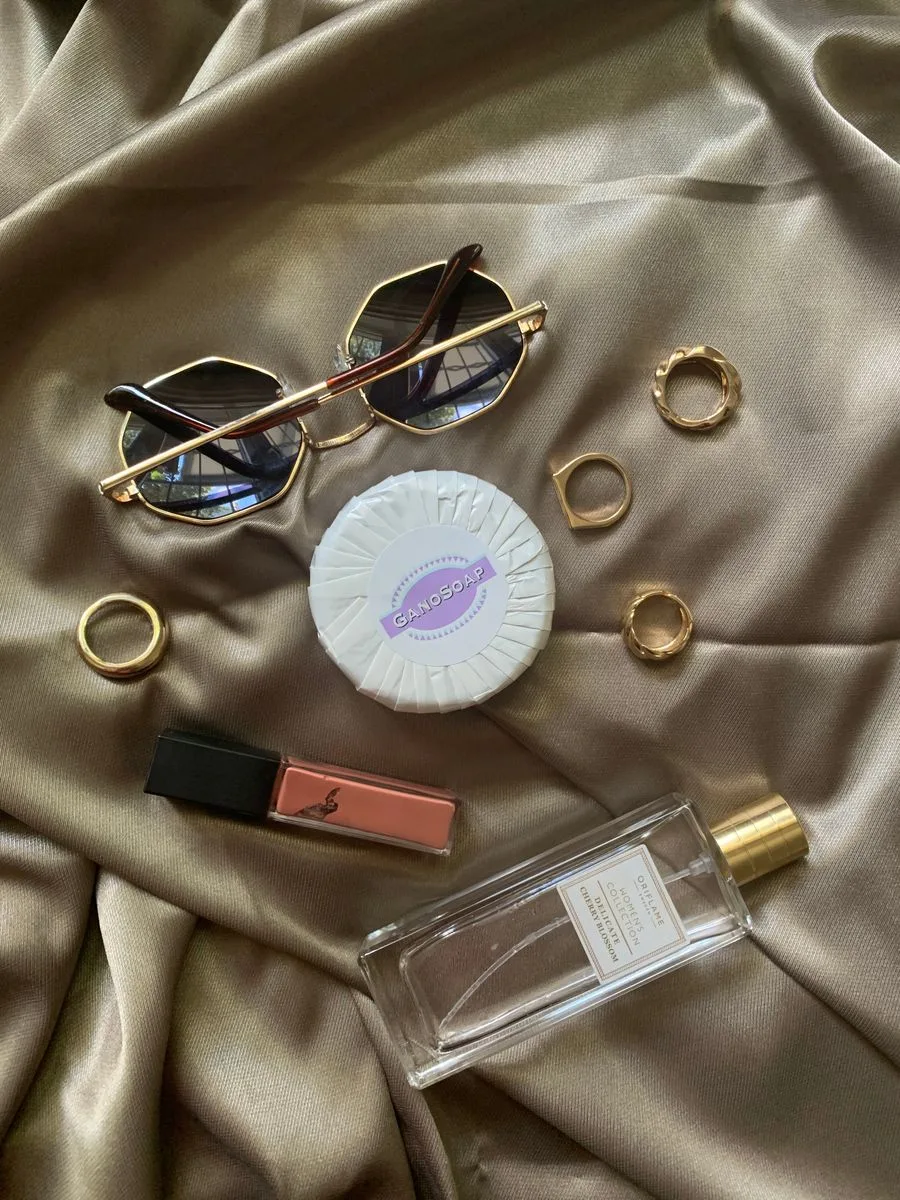
Compare the bridge, temple width, and how the frame sits when you look down.
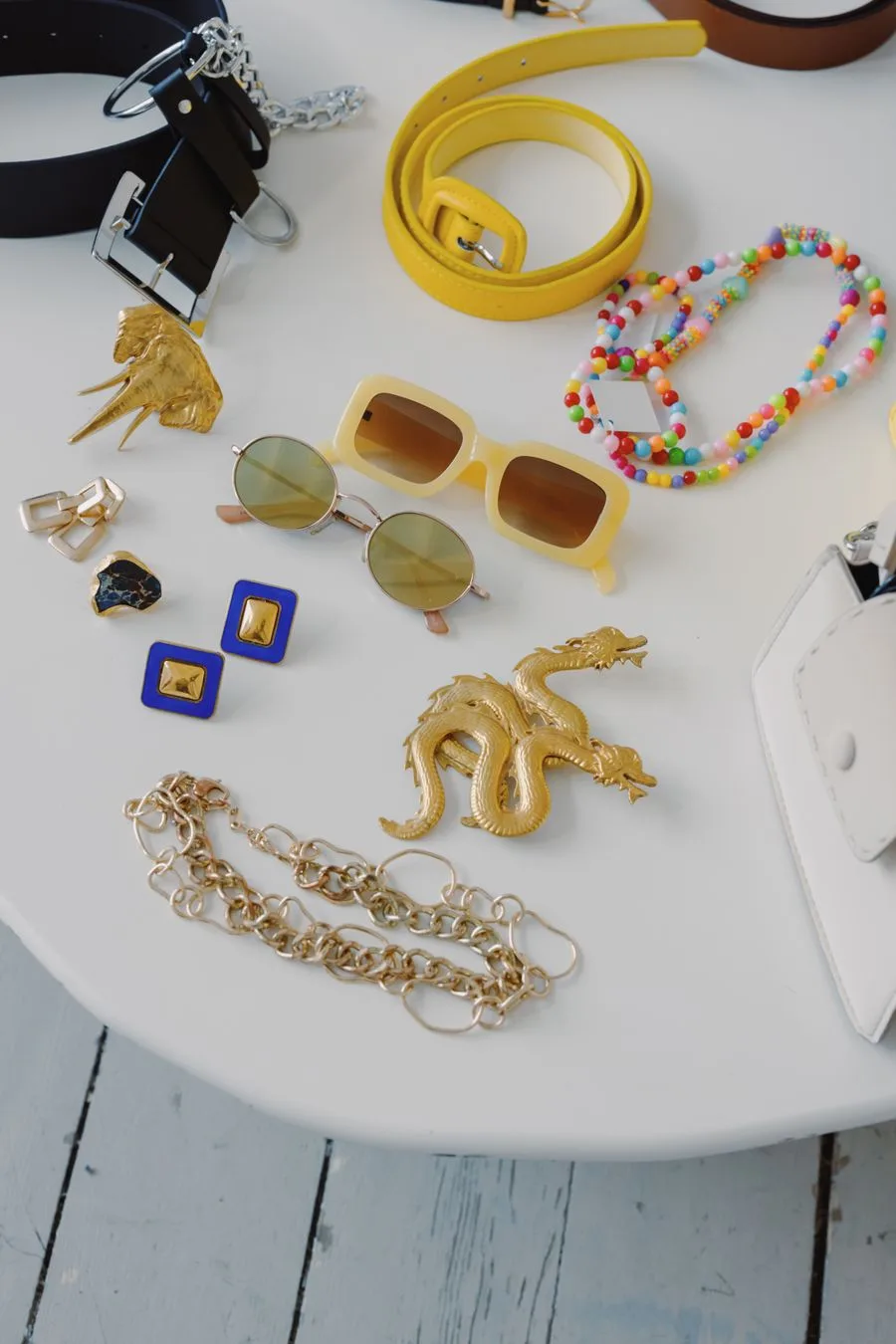
Find the piece that brings color to an outfit you already wear and give it a clear position.
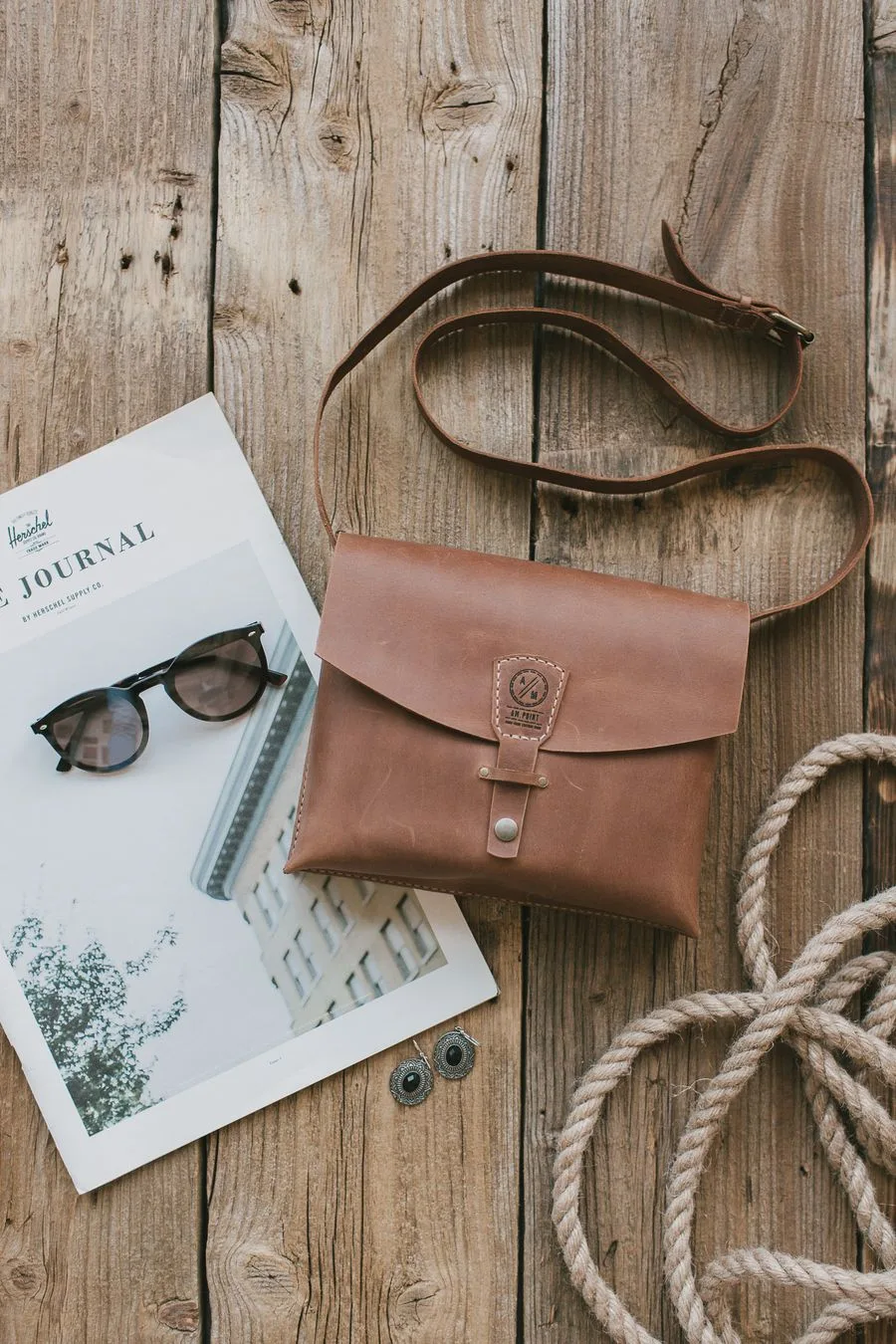
Test the opening, interior corners, and the order in which you will need your essentials.